I have on my shelves many books on the history of ancient Israel. So why did I spend years writing a new one?
In Tuesday’s BiblePlaces Newsletter, I explained why we need a new history of ancient Israel that is comprehensive, conservative, and current. Today I want to give you a little sense of what that means, beginning with my chapter on David’s rise to the throne.
What I want to help you to see better is how a careful study of the historical record, archaeological discoveries, and chronological details reveals much that readers may overlook in familiar biblical accounts.
The story of David’s battle with Goliath is familiar even to non-Bible readers, but there is much that is missed without an understanding of the historical and geographical setting. In writing about this event, I explain:
- the geographical dynamic of the Israelites and Philistines meeting in the Elah Valley
- the discovery of an inscription at Gath related to the name of Goliath
- the nature of Goliath’s armor and his proposal of representative combat
- the practice of displaying severed heads in the ancient Near East
In discussing David’s flight from Saul, I ask and answer:
- Why did David seek refuge in the cave of Adullam?
- Where did David hide from Saul and what places did he avoid (and why)?
- How long did David flee from Saul and how we can determine that?
- What was the significance of the time that David spent in Ziklag?
In writing about the chronology of David’s life, I explain:
- why I reject the consensus view that David’s life is disordered in the biblical account
- when the Davidic Covenant was made and why it matters so much
- what happened to the missing five years of Ish-bosheth’s reign
- when every datable event in David’s life occurred
One of my major goals in writing this chapter was to show how all of the details fit together. We should not read David and Goliath, Jonathan’s friendship, David’s flight from Saul, Nabal’s death, and Saul’s visit to the witch of Endor, and the murder of Ish-Bosheth as unrelated stories. They are all part of a larger story: David is God’s choice to be king.
We see that in the famous battle of David and Goliath. I argue that the contest is not really between David and the Philistine giant but David and the Israelite giant (Saul). The king that Israel needs is not the one cowering in his tent but the one who trusts the Lord and fights in his strength.
Jonathan’s friendship with David is so stunning when we realize that David is the greatest obstacle to Jonathan’s own succession to the throne. Abigail’s wisdom is displayed not only in her recognition of David’s future kingship but also in her ability to restrain him from acting rashly. And Saul’s desperate visit to the witch of Endor story makes perfect sense in this context.
My goal in writing this chapter, and the entire book, was to bring the Bible, archaeology, geography, chronology, and theology together so that the reader would better understand and delight in the marvelous story of God’s faithfulness to his people.
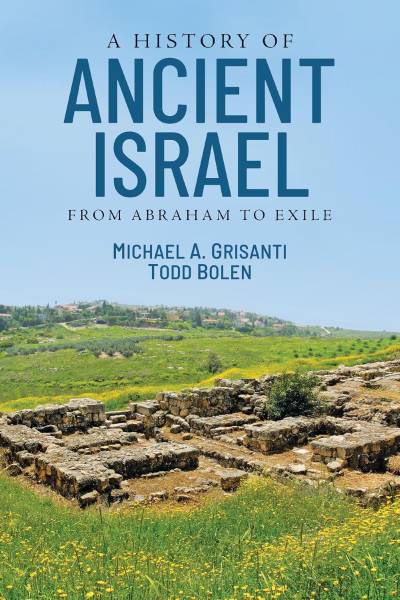
If you read our newsletter, you’ll find the best prices available for the book, including a special discount offered by the publisher that ends soon.