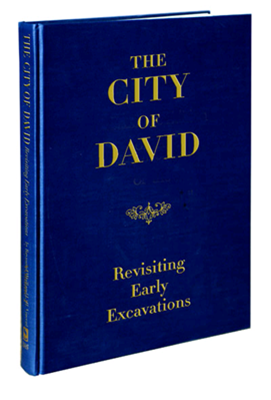
The Biblical Archaeology Society seems to have mastered internet marketing, judging from the frequent newsletters in my box. Usually there is at leas t 1/3 real content vs. sales pitches, but today’s was 100% ad. But I was happy to see “The City of David” for $50 off the regular price (now $100). I’ve been waiting to get this gem, and I can’t expect the price to get any lower. I’d be happy to tell you why it’s so great, but I’ll let you read about it yourself here.
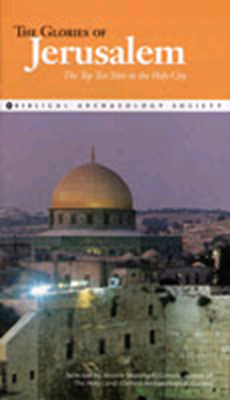
But when I clicked the ad, it brought me to the “Father’s Day” sale page (until 6/18), at the bottom of which was a promo to get you to subscribe to BAR. If you pay when you order, you get the free guide, The Glories of Jerusalem: The Top Ten Sites in the Holy City, by Jerome Murphy-O’Connor. I had not heard of this book before, and it motivated me to come up with my own list. My list is free to you, and you don’t have to subscribe to anything. If you want, you can subscribe to the BiblePlaces Newsletter, which itself is free and filled with 100% good content and no ads.
I might preface my list by saying that while I am light years behind the distinguished author of the above guide, I have spent considerable time living in and teaching about Jerusalem. I gave my first college-level tours of the city soon after my 21st birthday, and I have taught a course on Jerusalem archaeology many times. This city is always fascinating, and there is always more to learn.
My top ten sites in Jerusalem are:
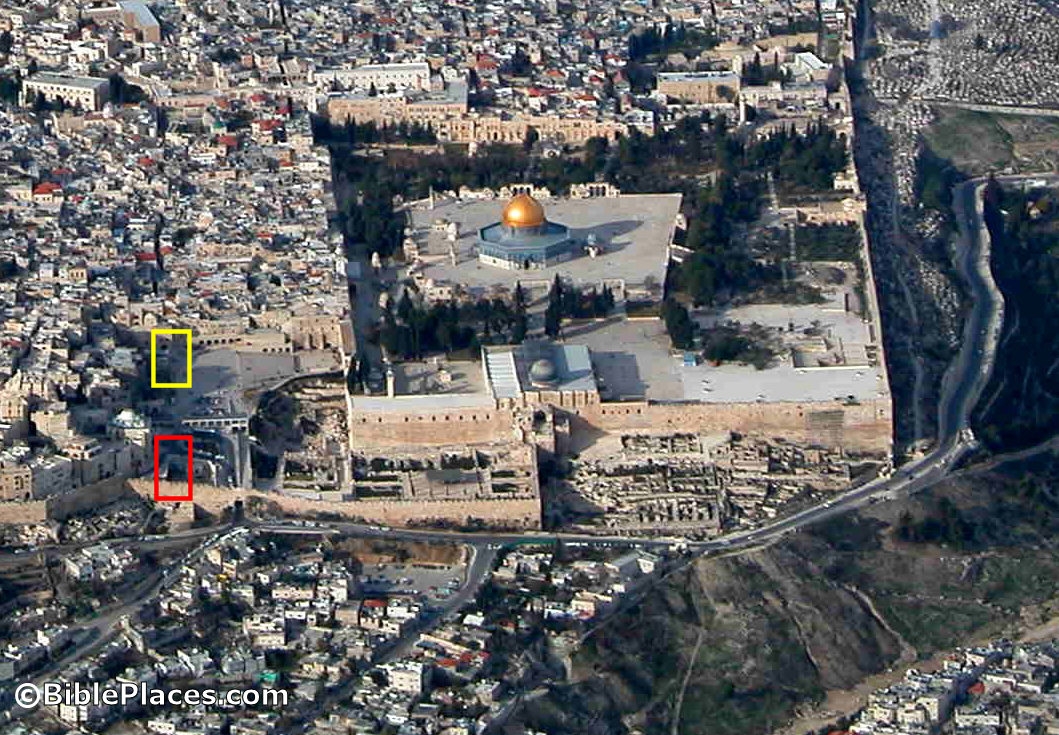
Temple Mount – this place really is the center of it all. Every time I am there, I am impressed with just how large the area is. Today it seems to be anything but a holy place, with kids playing soccer, women having picnics, and piles of trash unmoved for years. I still am inspired every time. (more)
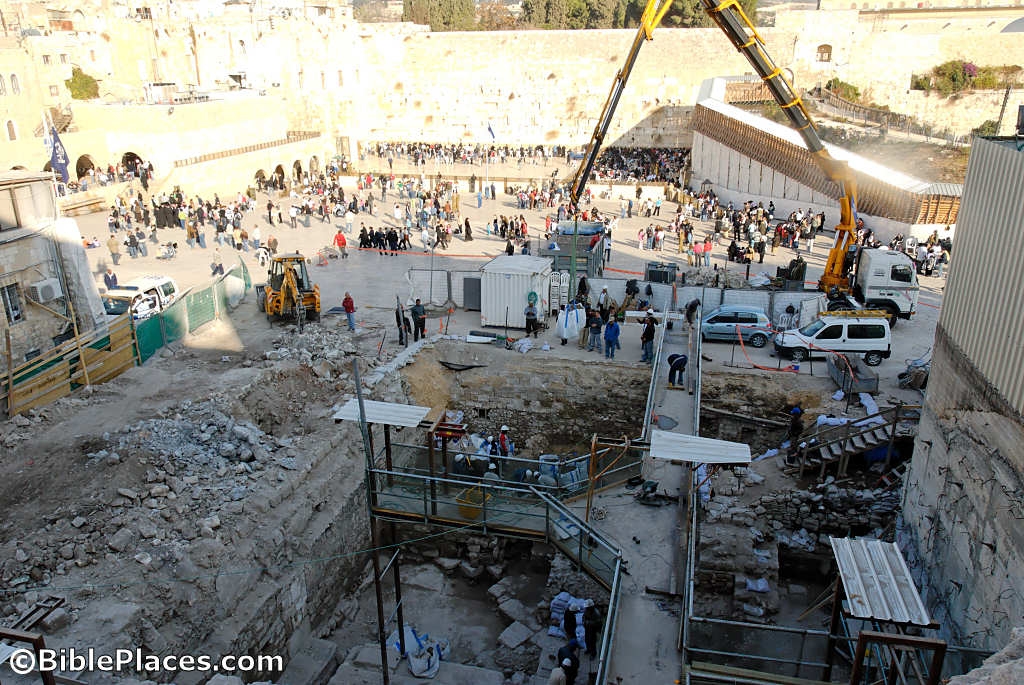
Western Wall – large Herodian stones are cool, but this place gets a mention because of the people. Every sort of normal and strange person comes through the plaza, and they are interesting to watch and to talk to. (more)
Tomb of the Kings – most tourists never see this, because 1) the staircase is tough for old people; 2) climbing through tiny doorways inside the tomb is even more challenging; 3) it takes some work for the guide to explain what this tomb is all about; and 4) the owners of the site (the government of France) is positively rotten about allowing visitors. In my view, the government of Israel should force them to have regular hours, and they might, except for points #1-3 above. But the fact of the matter is, this is the best tomb in all of Israel, and it perfectly illustrates the types of burials in use at the time of Jesus. The tomb was carved ten years after the crucifixion of Christ and belonged to Queen Helene of Adiabene. See, I lost you already. (but more here)
Garden Tomb – it’s not the actual place of Jesus’ resurrection, but it sure feels more like it than anywhere else in the city. (more)
St. Etienne’s Iron Age tombs – forgive me for including yet a third tomb in the list, but I simply must. These are the best Old Testament period tombs in the city (probably in the country). A strange irony: these tombs are located on the property where Jerome Murphy-O’Connor has lived for many decades, but there is not a word about them in his excellent guide book, The Holy Land. Possibly they don’t want visitors (indeed, they don’t), and possibly he wants to avoid getting into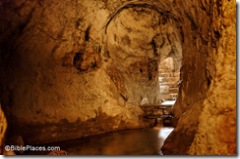 hot water with intransigent French priests (his colleagues) who insist that these tombs are from the Roman period.
Hezekiah’s Tunnel – this is any kid’s dream – to walk through a rock-hewn tunnel for 1750 feet. Add to that the certainty that it was dug by King Hezekiah’s men and it is mentioned twice specifically in the Bible. (more)
Southern Temple Mount excavations – besides the impressive archaeological remains of streets, shops, staircases, and ritual baths, this is one area where you can be certain that Jesus saw in substantially the same form. That’s easy to miss in the rest of the dense buildings of the Old City. (more)
Mount of Olives – for the view, not the churches. (more)
Petra Hostel rooftop – ok, the view is actually better from the “Tower of David” (in the Citadel museum), but the entrance fee is less and thus I go here much more often.
Pool of Siloam – not the Byzantine one now covered with a mosque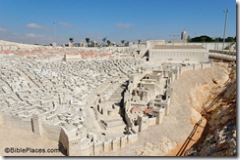 and reduced to a fraction of its former size, but the 1st century pool recently uncovered by archaeologists. (more)
The Jerusalem model – formerly at the Holyland Hotel, now at the Israel Museum. I suppose this isn’t a “site” in its own regard, but it is such an excellent presentation of how the city used to look that I cannot omit it from the list.
Honorable mention:
St. Anne’s Church/Pools of Bethesda
Church of the Holy Sepulcher (more)
Broad Wall (more)
Herodian Quarter
“Solomon’s Quarries”
There are many books about Jerusalem that describe the above-mentioned sites, but you might consider purchasing the Jerusalem volume of the Pictorial Library of Bible Lands. This CD ($25) includes 650 photos of the city along with all of my teaching notes. You’ll like it! (Sorry for sneaking that ad in!)