A Dutch researcher believes that she can connect a seal discovered long ago with the famous wife of King Ahab.  From Haaretz:

For some 40 years, one of the flashiest opal signets on display at the Israel Museum had remained without accurate historical context. Two weeks ago, Dutch researcher Marjo Korpel identified article IDAM 65-321 as the official seal of Queen Jezebel, one of the bible’s most powerful and reviled women.
Israeli archaeologists had suspected Jezebel was the owner ever since the seal was first documented in 1964. “Did it belong to Ahab’s Phoenician wife?” wrote the late pioneering archaeologist Nahman Avigad of the seal, which he obtained through the antiquities market. “Though fit for a queen, coming from the right period and bearing a rare name documented nowhere other than in the Hebrew Bible, we can never know for sure.”
Avigad’s cautious approach stemmed from the fact that the seal did not come from an officially-approved excavation. It was thought to come from Samaria in the ninth century B.C.E., but there was no way of knowing for certain where it had been found. And that has been the scientific hurdle that Korpel – a theologian and Ugaritologist from Utrecht University and a Protestant minister – set out to conquer.
In her paper, scheduled to appear in the highly-respected Biblical Archaeology Review, Korpel lists observations pertaining to the seal’s symbolism, unusual size, shape and time period. By way of elimination, she shows Jezebel as the only plausible owner. She also explains how two missing letters from the seal point to the Phoenician shrew….
But speaking as a private person, I am in my mind 99 percent sure that it belonged to Jezebel,” she says after some coaxing.
However, Korpel is not an archaeologist, and her research of archaeological findings is essentially textual. “I have thought about this. But many research fields see important discoveries by researchers from related fields,” she says. “I admit my solution for the seal of Jezebel is quite simple. But then, so was the invention of the paper clip.”

See also this update in Haaretz which explains why Jezebel is spelled incorrectly on the seal.

If you have access to older issues of Biblical Archaeology Review, you can see a photo of the seal in the March/April 1993 issue, page 28.  Or you can see it online here.

Update (10/11): This Dutch website has a photo of the seal with each letter identified.

HT: Joe Lauer

Share:

A friend sends along some interesting news articles:

Archaeologists found evidence that bas reliefs and cunieform letters were painted in the Achaemenid royal tombs at Naqsh-e Rustam in Iran. Among these is the tomb of Darius the Great.

Renovations of a mosque at Luxor revealed architectural elements of an earlier temple of Ramesses II.

The Japanese have obtained permission to renew excavations of (the Turkish part of) Karkemish (aka Carchemish). They have to clear some mine fields, and work is expected to begin in a year-and-a-half.

Share:

ABC has some photos of the quarry, or you can watch a two-minute video with relatively poor footage of the site (and two guys who can’t correctly pronounce the object of the discovery). 

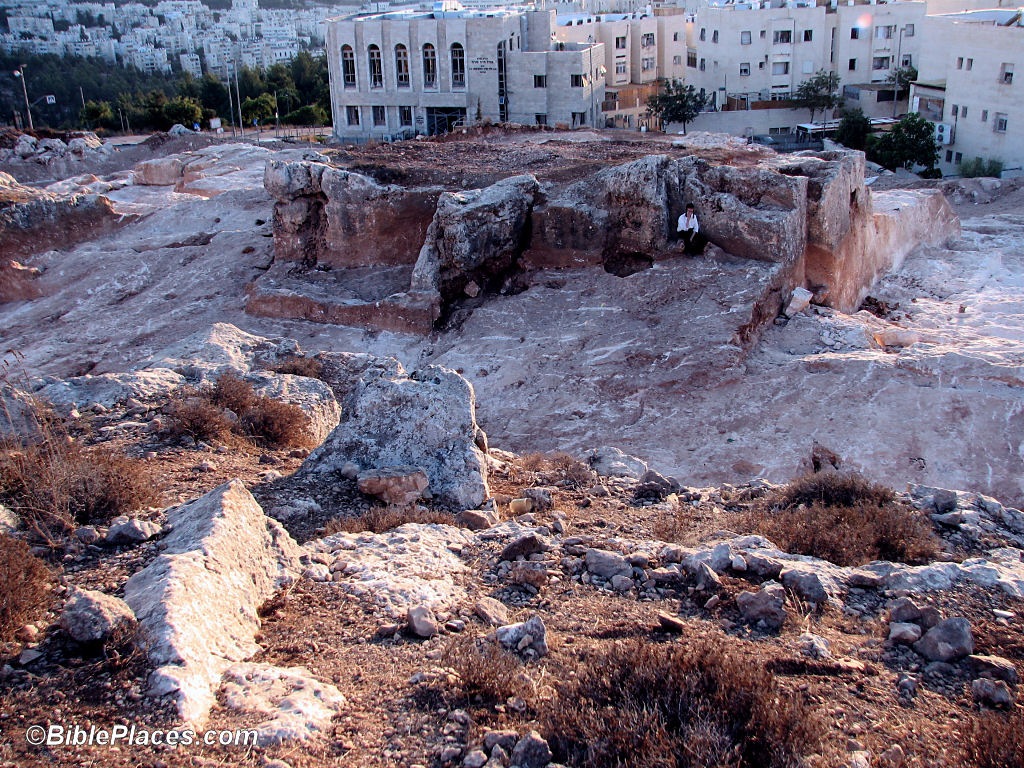
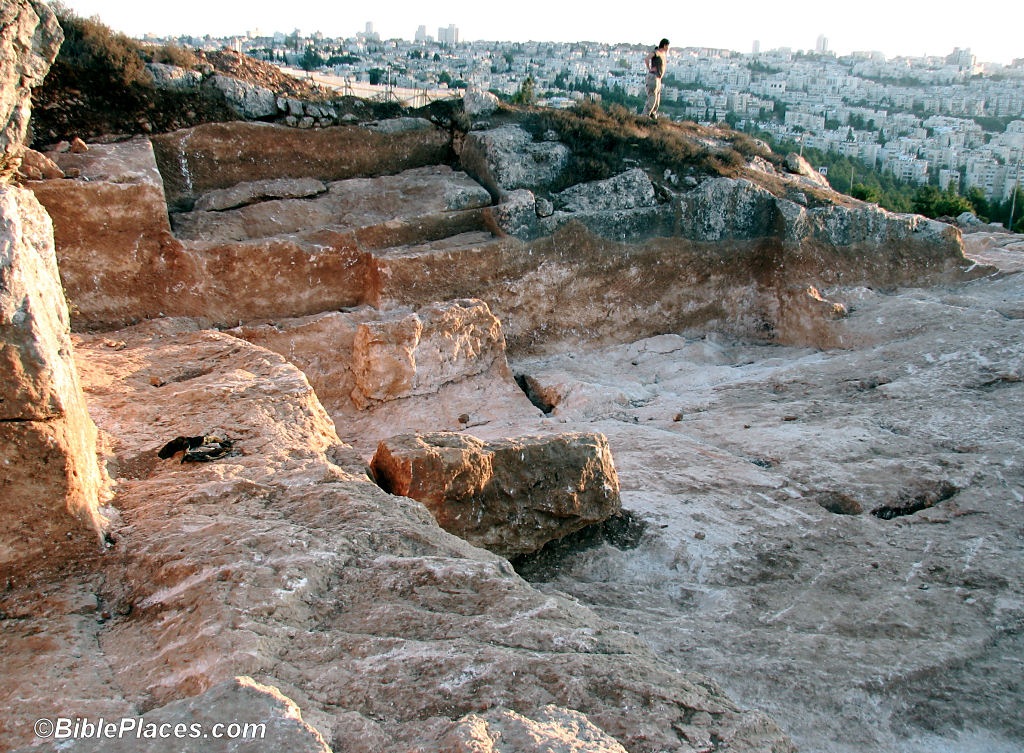
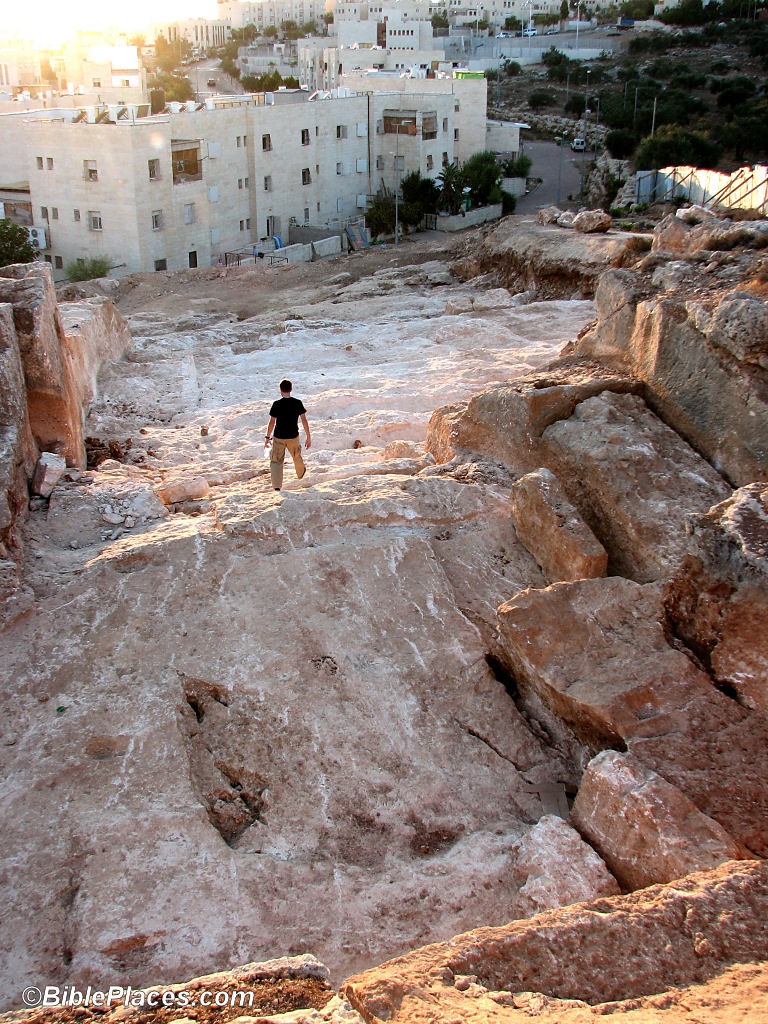
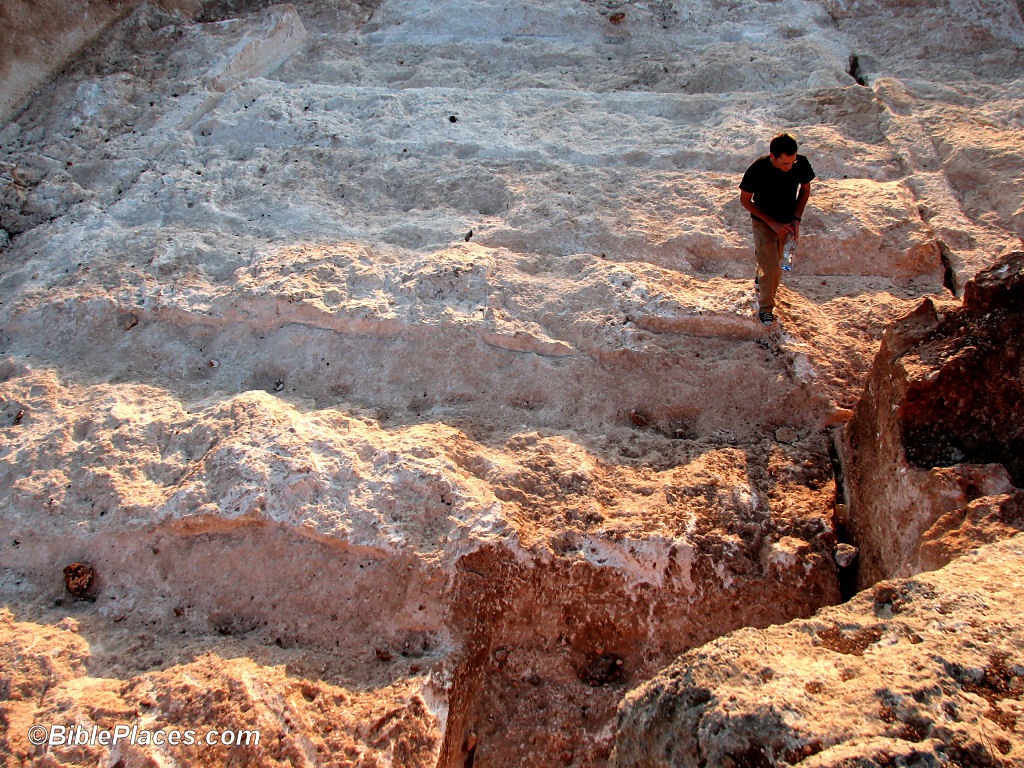
BiblePlaces.com has some exclusive photos of the quarry area, with thanks to Aubrey Laughlin for sharing them with us.  Click on each photo for a higher-resolution version, which you are free to use for personal and educational purposes.

Herodian quarry, al092407516sr
General view showing how the ancients cut away the mountain
Herodian quarry from north, al092407543sr
View showing the proximity of the quarry to Ramat Shlomo
Herodian quarry, al092407541sr
Showing a cross-section of the mountain and Jerusalem in the distance
Herodian quarry, al092407527sr
Notice the trenches cut in the rock in the foreground
 Herodian quarry, al092407550sr
A view showing where quarrying activity ended.
  
Herodian quarry, al092407555sr 
You can easily see where the rocks were extracted
Herodian quarry, al092407538sr
A trench made in order to extract the stone
Next challenge: Identify the stones removed from this quarry (bonus points if you can put each one back in its original location!).
Share:

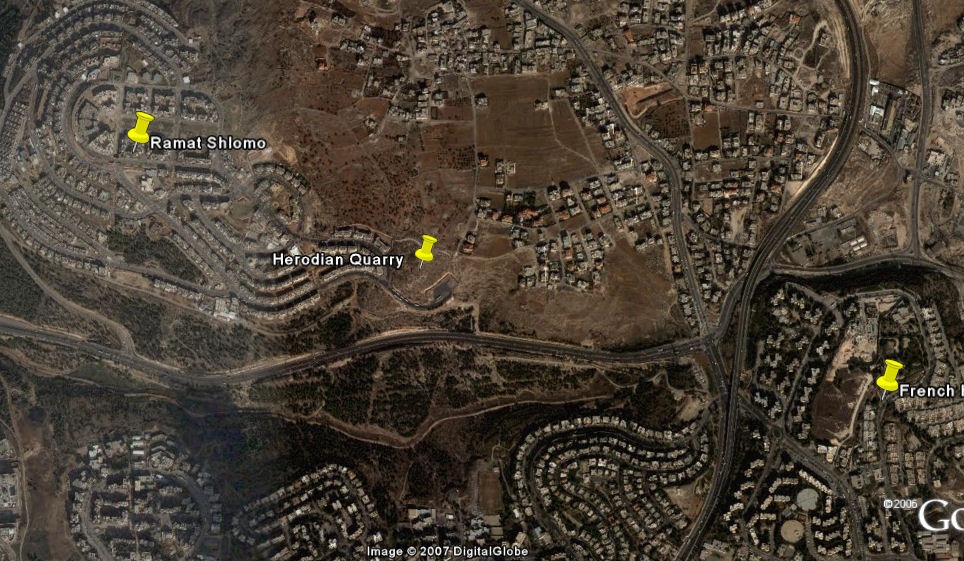
I have been asked where exactly the quarry was located.  Here are two maps from Google Earth that show the area of the quarry, about 2 miles (3 km) north of the Old City.  You can click on each for a larger view.

jerusalem_quarry
General view.  Note the highway to the east of the quarry is similar to the ancient route (known sometimes as the Central Ridge Route or the Road of the Patriarchs).
jerusalem_quarry2
Closer view, which will be helpful if you’re in the neighborhood and want to see it yourself.
Share:

Archaeologists in Jerusalem have made a significant discovery of one of the quarries used in the construction of Herod’s Temple Mount.  Located 3 miles (4 km) northwest of the Old City, the 1.25-acre quarry has remains of massive stones measuring 9-25 feet (3-8 m) long, comparable to the stones visible in the Western Wall today.  The quarry is located near the main road coming from the north and at an elevation that is 250 feet (80 m) higher than the Temple Mount, making it an ideal location for quarrying activity.  Coins and pottery found in the quarry help to secure the date of its use to the 1st century B.C.  The story is carried by the Jerusalem Post, Haaretz, and Arutz-7.

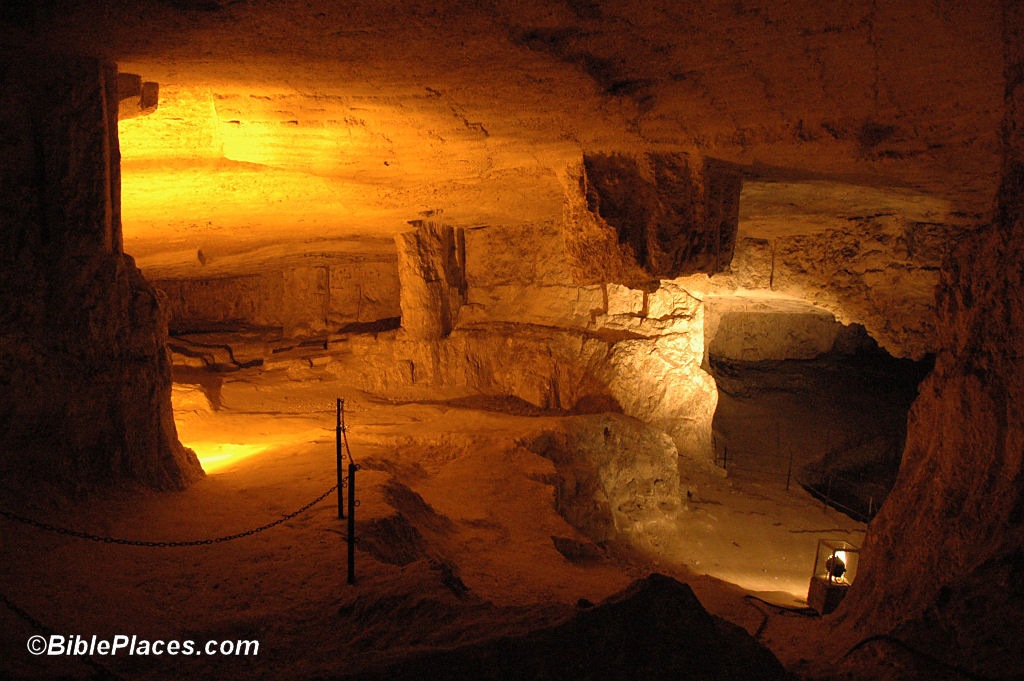
Photo below: Another quarry that many believe was used by Herod’s crews is the so-called “Solomon’s Quarries,” near the Damascus Gate of the Old City.

Solomon's Quarries, tb051706274
“Solomon’s Quarries”
Share: