by Chris McKinny
8. Each prophet left the city that they had just preached in
and went to the east of the city and prayed. Compare Jonah’s selfish,
languishing prayer concerning the loss of his shade east of Nineveh and
Yahweh’s response (Jonah 4:5-11) to Jesus’ selfless, anguish-filled plea to
“let this cup pass” in Gethsemane and Yahweh’s silence (e.g. Luke 22:39-44).
In light of the current discussion concerning the so-called
“Jesus Discovery” of the depiction of a Jonah/resurrection motif on a 1st
century CE ossuary (see here) it is probably prudent to re-examine the
typological relationship between the two prophets of Jonah and Jesus.
“Jesus Discovery” of the depiction of a Jonah/resurrection motif on a 1st
century CE ossuary (see here) it is probably prudent to re-examine the
typological relationship between the two prophets of Jonah and Jesus.
Besides the explicit connection of “the sign of Jonah” mentioned
in Matt. 12:38-41; 16:4; Luke 11:29-32 there are several probable connections
that can be derived through comparing the Gospels to the book of Jonah and 2
Kings 14:25 (i.e. the only Old Testament mention of the prophet outside of the
prophetic book of Jonah).
in Matt. 12:38-41; 16:4; Luke 11:29-32 there are several probable connections
that can be derived through comparing the Gospels to the book of Jonah and 2
Kings 14:25 (i.e. the only Old Testament mention of the prophet outside of the
prophetic book of Jonah).
Consider the following suggested similarities/parallels:
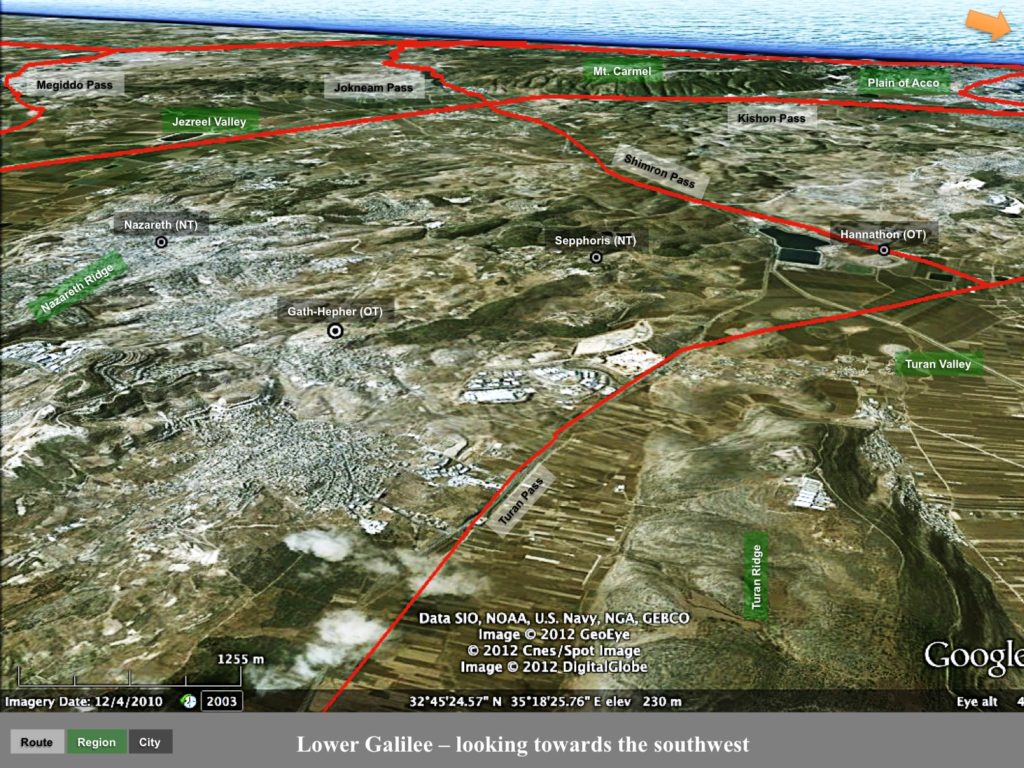
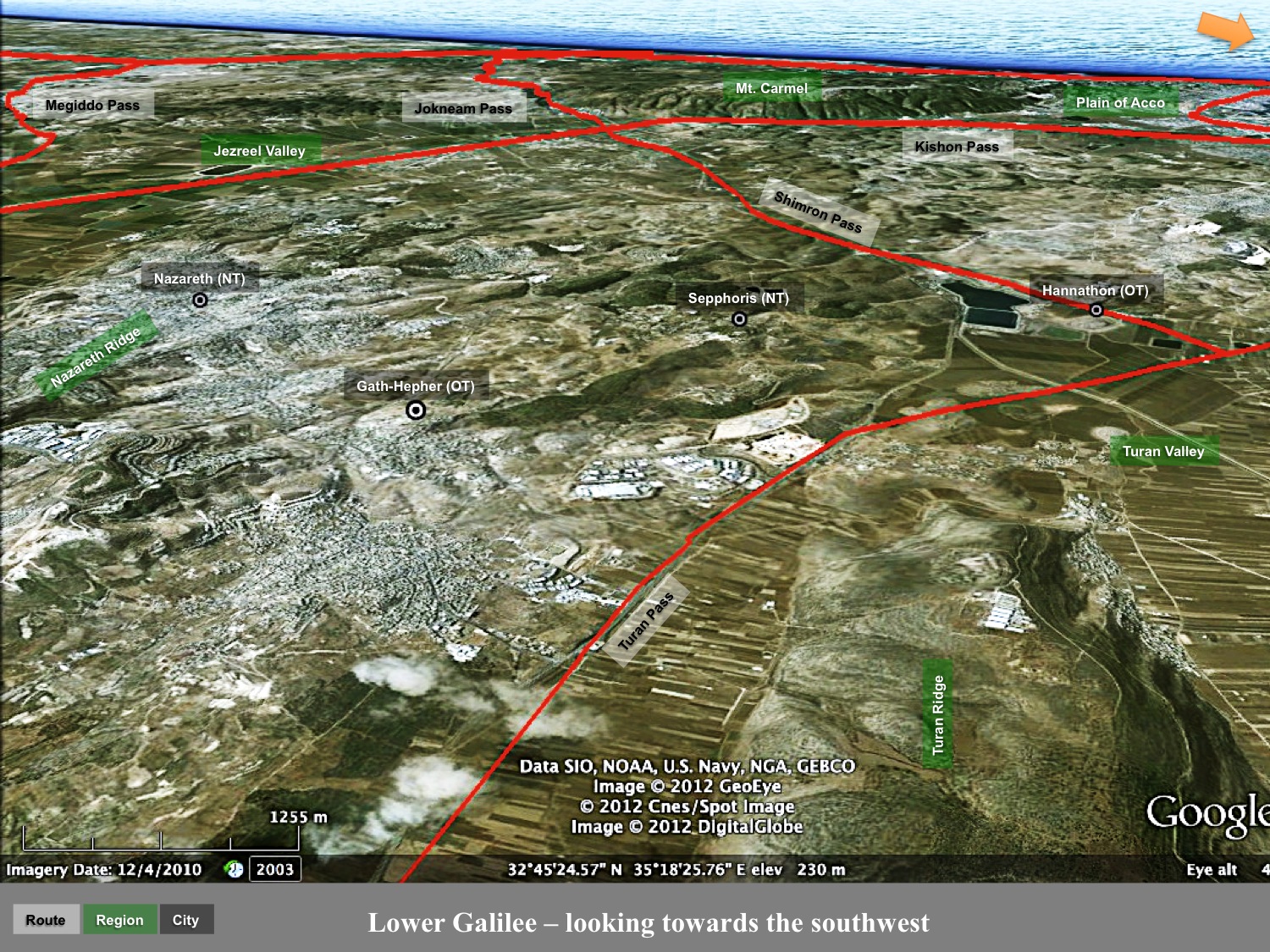
1. Each prophet heralded from and began his ministry in
Lower Galilee. Jonah/Gath-Hepher and Jesus/Nazareth – 2 Kings 14:25; Matt.
2:23.
Lower Galilee. Jonah/Gath-Hepher and Jesus/Nazareth – 2 Kings 14:25; Matt.
2:23.
2. Each prophet’s ministry occurred during a time in which
Israel’s hierarchical, wealthy members “trampled upon the poor.” Jonah/“cows of
Bashan” during the time of Jeroboam II (8th cent. BCE);
Jesus/”devourers of widow’s households” – Amos 4:1-3; 5:11-12; 8:3-7; Matt. 19:23-25; Mark 12:41-44; Luke
16:19-31; 20:46-47.
Israel’s hierarchical, wealthy members “trampled upon the poor.” Jonah/“cows of
Bashan” during the time of Jeroboam II (8th cent. BCE);
Jesus/”devourers of widow’s households” – Amos 4:1-3; 5:11-12; 8:3-7; Matt. 19:23-25; Mark 12:41-44; Luke
16:19-31; 20:46-47.
3. Each prophet preached Yahweh to Gentiles despite a desire to
primarily minister to their own Israelite/Jewish population. Jonah joined
Phoenicians on their way to North Africa (i.e. Tarshish) to avoid the goyim of Nineveh (Jonah 1:1-3) and Jesus
stated that he was sent “only to the lost sheep of the house of Israel” (Matt.
15:24). However, both eventually ministered to Gentile populations – Jonah with
Nineveh and Jesus for example with the Syro-Phoenician woman (Mark 7:25-28),
Legion of the tombs of Gadera (Luke 8:26-34), and the centurion’s servant at Capernaum (Matt. 8:5-13).
primarily minister to their own Israelite/Jewish population. Jonah joined
Phoenicians on their way to North Africa (i.e. Tarshish) to avoid the goyim of Nineveh (Jonah 1:1-3) and Jesus
stated that he was sent “only to the lost sheep of the house of Israel” (Matt.
15:24). However, both eventually ministered to Gentile populations – Jonah with
Nineveh and Jesus for example with the Syro-Phoenician woman (Mark 7:25-28),
Legion of the tombs of Gadera (Luke 8:26-34), and the centurion’s servant at Capernaum (Matt. 8:5-13).
4. Each prophet slept in the bottom of a ship in the midst of a
raging storm while the ship’s sailors were wracked with fear and bewilderment
due to the prophet’s slumber (Jonah 1:4-6; Mark 4:35-38). Additionally, each
prophet was the reason for the ceasing of the storm (Jonah 1:7-16; Mark
4:39-41).
raging storm while the ship’s sailors were wracked with fear and bewilderment
due to the prophet’s slumber (Jonah 1:4-6; Mark 4:35-38). Additionally, each
prophet was the reason for the ceasing of the storm (Jonah 1:7-16; Mark
4:39-41).
5. Explicit connection (see above) Each prophet spent
“three days and three nights” in the “heart” of the earth before being “brought
up from the pit.” Compare Jonah’s prayer (Jonah 2) and Jesus’ “sign of Jonah”
(Matt. 12:38-41; 16:4; Luke 11:29-32) to Jonah’s expulsion (Jonah 3:1) and Jesus’
resurrection (e.g. Matt. 28:1-6).
“three days and three nights” in the “heart” of the earth before being “brought
up from the pit.” Compare Jonah’s prayer (Jonah 2) and Jesus’ “sign of Jonah”
(Matt. 12:38-41; 16:4; Luke 11:29-32) to Jonah’s expulsion (Jonah 3:1) and Jesus’
resurrection (e.g. Matt. 28:1-6).
6. Each prophet, despite being from northern Israel (i.e.
Israel in the 8th cent. BCE and Galilee in the 1st cent
CE), were obedient to the Law of Moses in worshipping Yahweh at his chosen
location of Jerusalem (Deut. 12:5-7; 2 Sam. 7:13; 1 Kings 5:5). Compare Jonah’s
“worship in the temple” (Jonah 2:4, 7), despite the enduring presence of the syncrestic
temples of Dan and Bethel, to Jesus going up to Jerusalem for various feasts
(e.g. Luke 2:41; 22:1).
Israel in the 8th cent. BCE and Galilee in the 1st cent
CE), were obedient to the Law of Moses in worshipping Yahweh at his chosen
location of Jerusalem (Deut. 12:5-7; 2 Sam. 7:13; 1 Kings 5:5). Compare Jonah’s
“worship in the temple” (Jonah 2:4, 7), despite the enduring presence of the syncrestic
temples of Dan and Bethel, to Jesus going up to Jerusalem for various feasts
(e.g. Luke 2:41; 22:1).
7. Each prophet proclaimed coming destruction upon his
audience’s capital city. Compare Jonah’s proclamation to Nineveh (Jonah 3) and
subsequent, vengeful grief over their repentance (Jonah 4:1-4) to Jesus’
prophecy of doom to Jerusalem (e.g. Matt. 24) and subsequent, knowing grief over
their rejection (Matt. 23:37; and especially Luke 19:41-44). As an aside, I
find Jonah’s statement in Jonah 4:3 to be an ironic double entendre in the vein
of Caiaphas’ statement in John 11:49-50.
audience’s capital city. Compare Jonah’s proclamation to Nineveh (Jonah 3) and
subsequent, vengeful grief over their repentance (Jonah 4:1-4) to Jesus’
prophecy of doom to Jerusalem (e.g. Matt. 24) and subsequent, knowing grief over
their rejection (Matt. 23:37; and especially Luke 19:41-44). As an aside, I
find Jonah’s statement in Jonah 4:3 to be an ironic double entendre in the vein
of Caiaphas’ statement in John 11:49-50.
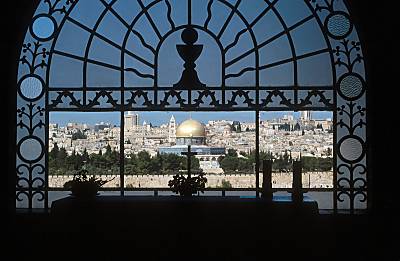 |
| Dominus Flevit – looking at Temple Mount (copyright BiblePlaces) |
8. Each prophet left the city that they had just preached in
and went to the east of the city and prayed. Compare Jonah’s selfish,
languishing prayer concerning the loss of his shade east of Nineveh and
Yahweh’s response (Jonah 4:5-11) to Jesus’ selfless, anguish-filled plea to
“let this cup pass” in Gethsemane and Yahweh’s silence (e.g. Luke 22:39-44).
More could be said about the typology of Jonah in relation
to Jesus, especially with regards to the notable differences between the two.
Nevertheless, in my opinion the above similarities undergird the connection between
Jonah and early Christian motifs (see for example Jensen’s post which mentions 4th cent. CE depictions in Rome). Whether, the Talpiot ossuary is
the first known example of this connection is an open, debatable question, but in
either case it seems clear that the motifs derive from a clear typology that is
rooted in the Gospels.
to Jesus, especially with regards to the notable differences between the two.
Nevertheless, in my opinion the above similarities undergird the connection between
Jonah and early Christian motifs (see for example Jensen’s post which mentions 4th cent. CE depictions in Rome). Whether, the Talpiot ossuary is
the first known example of this connection is an open, debatable question, but in
either case it seems clear that the motifs derive from a clear typology that is
rooted in the Gospels.

