A curious tour guide found a stash of ancient coins all lumped together on the beach of Atlit.

An Israeli girl found a Byzantine-era coin at the ancient site of Chorazin during a scavenger hunt game.

Haaretz (premium) posts some photos of recent finds made in the excavations of Azekah.

Construction has begun on a controversial elevator at the Tomb of the Patriarchs in Hebron.

“New research based on the analysis of dozens of pottery vessels has suggested has shown that in the period between the Assyrian conquest and the Babylonian destruction, a new cultural group emerged in the biblical Kingdom of Judah.”

Live Science has a follow-up article on the 8th-century earthquake evidence found in Jerusalem with responses from scholars who agree with the earthquake conclusion.

Chris McKinny and Kyle Keimer discuss the site of Khirbet er-Ra‘i/Arai, including the “Jerubbaal” inscription and whether the site should be identified as biblical Ziklag.

The latest episode in This Week in the Ancient Near East podcast considers the significance of the “Jerubbaal” inscription.

There are more archaeological connections to the reign of King Jehoash than you might think, as Bryan Windle shows in his latest archaeological biography.

If you’re in Jerusalem this month or next, you can try out the ropes course or the zip line at the Tower of David Museum.

HT: Agade, Ted Weis, Arne Halbakken, Joseph Lauer

Share:

Archaeologists working in the City of David believe that they have found evidence of the 8th-century BC earthquake that occurred in the reign of Uzziah (Amos 1:1; Zech 14:5).

Archaeologists believe they have discovered the place where the Aramean king Hazael breached the walls of the Philistine city of Gath.

Israel will not renew the contract for Elad to run the Davidson Archaeological Park south of the Temple Mount (Haaretz premium).

Ruth Schuster gives the case for identifying el-Araj as the New Testament site of Bethsaida.

Haim Silberstein lists “10 of the best underground attractions in Israel.”

Bruce Chilton writes about “Herod, His Progeny, and the Cutting Edge of Power.”

The current issue of Adventist Review has a number of articles related to biblical archaeology.

This week on The Book and the Spade: “Wet Sifting or Not, An Archaeological Dilemma” with Jimmy Hardin.

Online conference on Sept 30: Jerusalem and Other Chosen Places

HT: Agade, Ted Weis, Arne Halbakken, Charles Savelle, Andy Cook, Roger Schmidgall, Explorator

Share:

Archaeologists believe that they have greater clarity about the roads in the southern Judean desert leading to Edom following the examination of a site near Nahal Gorer. The underlying journal article is available to PEQ subscribers.

Haaretz follows up on the Jerubaal inscription discovery with a report fashioned as a back-and-forth between David Vanderhooft and Christopher Rollston, with the former suggesting the inscription may have been Zerbaal or Ezerbaal, and the latter sticking with his original interpretation of Jerubaal.

Excavations are underway at el-Araj (Bethsaida?), and updates are posted daily on their website.

The 25th and final summer season of excavations at Tell es-Safi/Gath has concluded. They have had a remarkable run.

Haaretz surveys the debate between Erez Ben-Yosef and Israel Finkelstein on the effect of “architectural bias” in drawing conclusions about Israel’s United Monarchy.

Naama Yahalom-Mack writes about the history of iron in ancient Israel.

Naama Barak writes about the mystery of the 1,400 dog burials at Ashkelon during the Persian period.

Bryan Windle identifies the top three reports in biblical archaeology for the month of July.

Construction has begun on a new reception center at the traditional Shepherds’ Field site near Bethlehem.

A music historian plans to restore a 12th-century organ discovered beneath the Basilica of the Nativity in Bethlehem. The instrument is the oldest known example of a pipe organ.

Shea Sumlin is on the GTI podcast talking about what it was like to be one of the first tour groups to be back in Israel.

Joseph L. Rife reviews A Walk to Caesarea: A Historical-Archaeological Perspective, by Joseph Patrich.

2nd edition released: The Archaeology of Qumran and the Dead Sea Scrolls, by Jodi Magness.

One of the books on sale at Logos right now is the Zondervan Handbook of Biblical Archaeology, by Randall Price with H. Wayne House ($9).

John DeLancey’s new Institute of Biblical Israel is launching a new course on biblical archaeology tomorrow.

HT: Agade, Arne Halbakken, Wayne Stiles, Joseph Lauer, Ted Weis, Explorator, Mark Hoffman, Roger Schmidgall, Paleojudaica

Share:

“Scientists have reconstructed the Eastern Mediterranean silver trade, over a period including the traditional dates of the Trojan War, the founding of Rome, and the destruction of Solomon’s Temple in Jerusalem.”

A survey has located 11 new hills around Gobeklitepe, and a major study will be released in September. Tourism officials are referring to the area as “12 hills” and the “pyramids of southeast Turkey.”

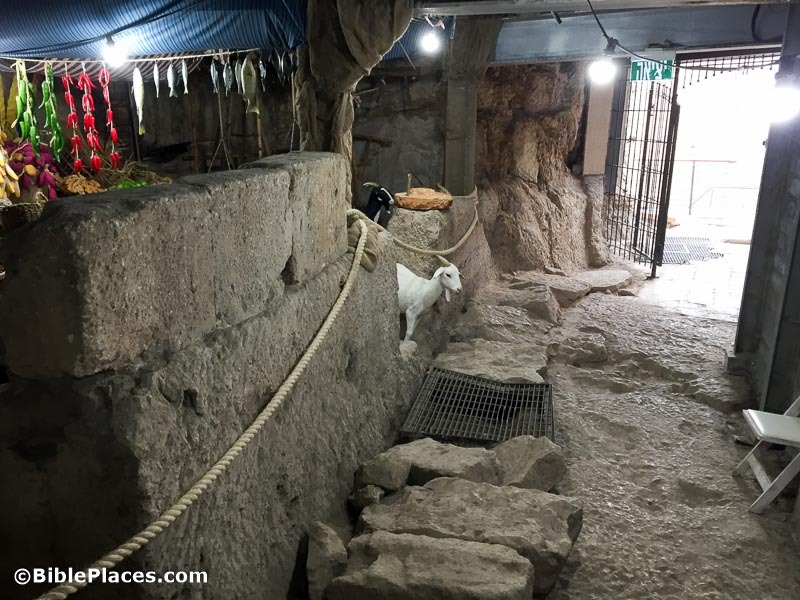
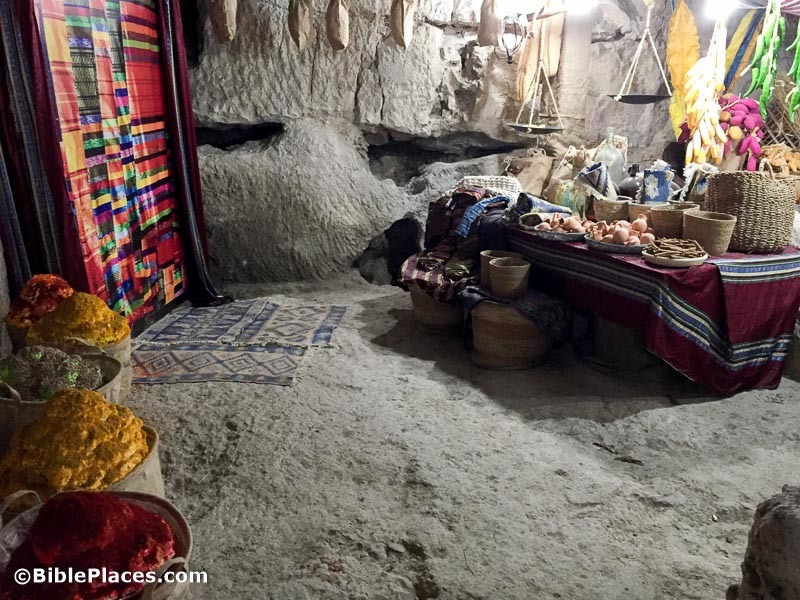
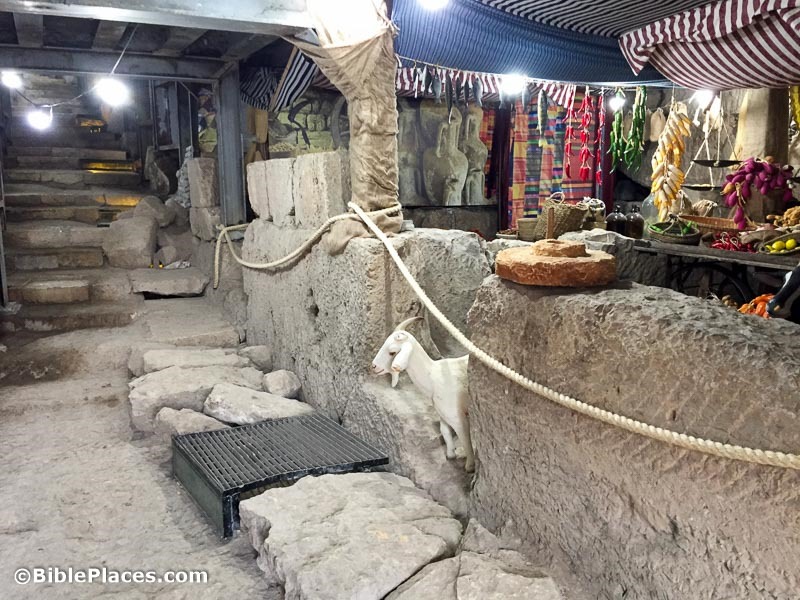
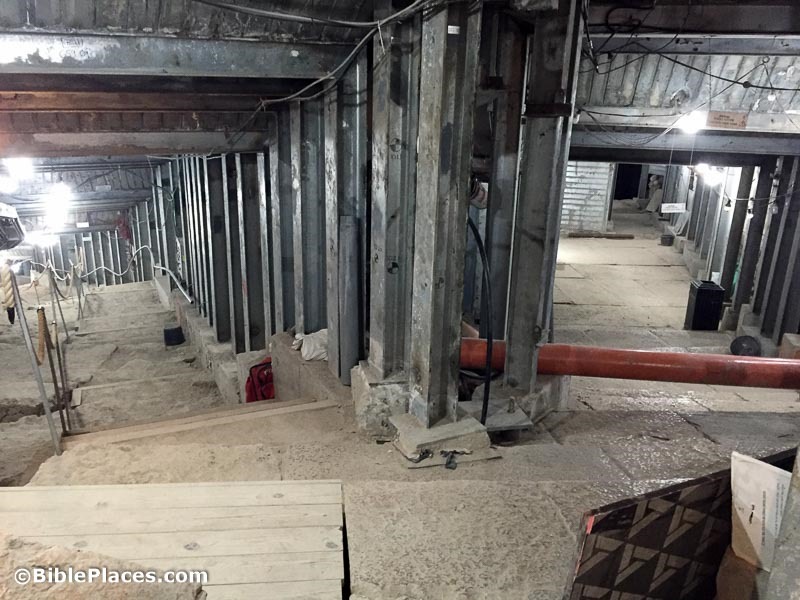
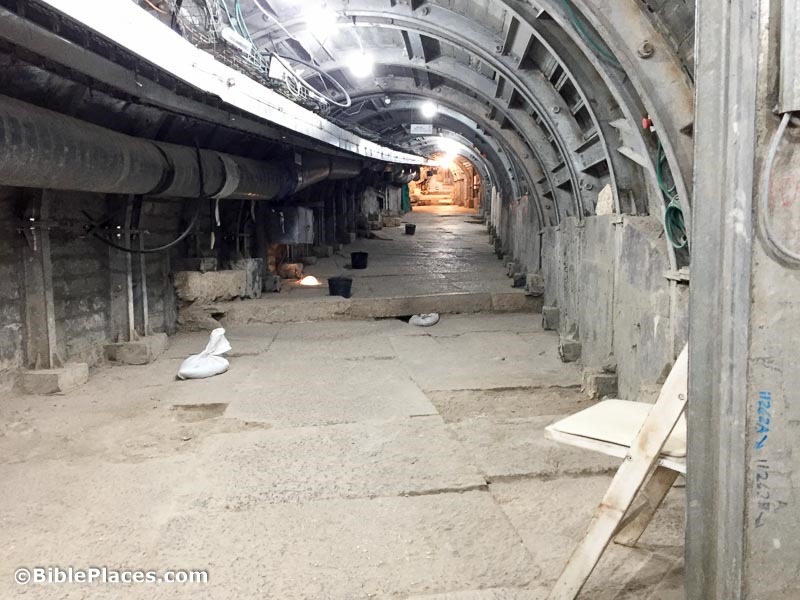
An excavation of an underground complex in the Western Wall Tunnels is a candidate for an international award.

“For the first time, a large, commercial flour mill has joined scientists and other experts to revive the lost varieties of wheat of the Land of Israel.”

The oldest living olive tree is 3,000 years old and located on the island of Crete.

Carl Rasmussen explains, with photos, how the Lycian League was a model for the United States.

The first issue of the Jerusalem Journal of Archaeology is a special issue on “State Formation Processes in the 10th Century BCE Levant”, edited by A. Faust, Y. Garfinkel and M. Mumcuoglu. All 16 articles may be downloaded for free.

The SBL website has an updated list of works in their ANE Monographs series, all available for purchase or free download.

New release: The Archaeology of Daily Life: Ordinary Persons in Late Second Temple Israel, by David A. Fiensy

Cyndi Parker’s course on historical geography is now available on BiblicalTraining (free with registration).

Danya Belkin writes about 11 adventures in Israel, including rappelling, parasailing, wakeboarding, snorkeling, and camel riding.

HT: Agade, Joseph Lauer, Arne Halbakken, Charles Savelle, Explorator

Share:

‘Atiqot 103 (2021), now online, includes articles about Iron Age pottery at Tel Eton, a fishpond at Illut, and Crusader remains at Acco.

Richard Elliott Friedman argues that Solomon’s temple was destroyed by the Edomites, not the Babylonians (Haaretz premium). An underlying journal article is available here.

David Ben-Gad HaCohen questions the standard identification of the Nahal Zered as Wadi al-Hasa.

Excavations are underway at Tel Burna (Days 1-2, Days 3-4).

A new study suggests that disruption of copper trade in the ancient Near East was not as severe as thought at the end of the Bronze Age.

The collection of 264 gold coins known as the Givati hoard were apparently minted as emergency coinage by Byzantine authorities in Jerusalem shortly before the Persian invasion in AD 614.

Archaeologists found remains of an Urartian castle dating to the 8th century BC in eastern Turkey.

A harpist has created a playable replica of the iconic Gold Lyre of Ur (25 min video).

Kyle Keimer and Chris McKinny conclude their podcast series on the Archaeology of Passion Week with part 2 and part 3. Accompanying visuals are available for each episode.

Zoom lecture on June 22, 11:30 am Eastern: Archaeological Sites of Iraqi Kurdistan as Tourism Destinations (Zoom link)

Zoom lecture on June 23: “What Recent Excavations Reveal About the Formation of Ancient Israel,” by James W. Hardin, Mississippi State University.

Zoom lecture on July 8, 12:00 pm Eastern: The Story of Tell Qasile: A Philistine Outpost in Northern Tel Aviv, by Amihai Mazar

The Bible Mapper Blog has posted some new maps, with downloadable high-res versions:

If you’ve ever wanted to go horseback riding on the Golan Heights, you can experience it through the report and photos of Israel’s Good Name.

HT: Agade, Arne Halbakken, Charles Savelle, Joseph Lauer

Share:

Archaeologists discovered a stone anchor in an underwater dig at Tel Dor.

Archaeologists have announced the discovery of 150 clay sealings from a Neolithic site in the Beth Shean Valley.

The Israeli team excavating el-Araj (Bethsaida?) signed a collaboration agreement with an Italian university for the exchange of researchers and students.

Five suspects were arrested after they were caught carrying out an illegal excavation in Galilee.

“Israel has opened its first underwater national park at the ancient port city of Caesarea, where divers can tour the 2,000-year-old remains of what was once a major complex extending into the sea.”

Israel will begin allowing individual tourists to arrive on July 1.

Jodi Magness discussed toilet issues at Qumran in a recent lecture.

The June issue of Near Eastern Archaeology includes a study from Gath on bone projectiles.

The three-day “Caesarea Maritima Conference” will begin on June 13 at 3:15 pm and continue through June 15 at 9:00 pm (Israel Time).

Eilat Mazar will be honored on July 1 with an evening of lectures by Amihai Mazar, Gabriel Barkay, Yitzhak Dvira, and Reut Ben Aryeh (in Hebrew).

“The years of archaeological excavations Israel has conducted at the Temple Mount have yielded no proof that the Temple ever existed in Jerusalem, Palestinian Authority Prime Minister Mohammad Shtayyeh said Monday evening.”

Bryan Windle has put together a very impressive list of “Top Ten Discoveries Related to David.”

Israel’s Good Name spent a day on Mount Hermon after it snowed.

New: Ancient Israel: From Abraham to the Roman Destruction of the Temple, 4th edition, edited by John Merrill and Hershel Shanks.

If you get Wayne Stiles and me in a room together, we’ll end up talking about the top 10 discoveries in Israel’s archaeology.

HT: Agade, Arne Halbakken, Ted Weis, Explorator, Charles Savelle, Paleojudaica

Share: