Several years ago one of my favorite websites to frequent was Bible and Interpretation. I appreciated the news updates as well as the articles, which came from a variety of perspectives. For lack of funding, the site went dark. Today the site is back with a new design and the promise of regular updates and essays. I’m delighted to see its return and am sure that it will be worth checking in on. If you find it valuable over time, consider sending a contribution.
If you want to avoid the crowds and get a different glimpse of Jerusalem, there are some great opportunities in the Old City for the next two weeks. From the JPost:
After putting their heads together, the Jerusalem Development Authority, the municipal Tourism Authority, the Tourism Ministry and the municipal company Ariel came up with a brilliant move called Autumn Nights in the Old City. Successful beyond their wildest dreams, it consists of special (free) Monday and Thursday programs offered from the beginning of September until the end of October. Among the goodies are two light-hearted guided tours, evening performances of vastly diverse music programs and discounted museums kept open until evening.
The article has lots of details of the sites that are open and the costs. If you like to take photographs, I’d recommend the Ramparts Walk and the Tower of David.
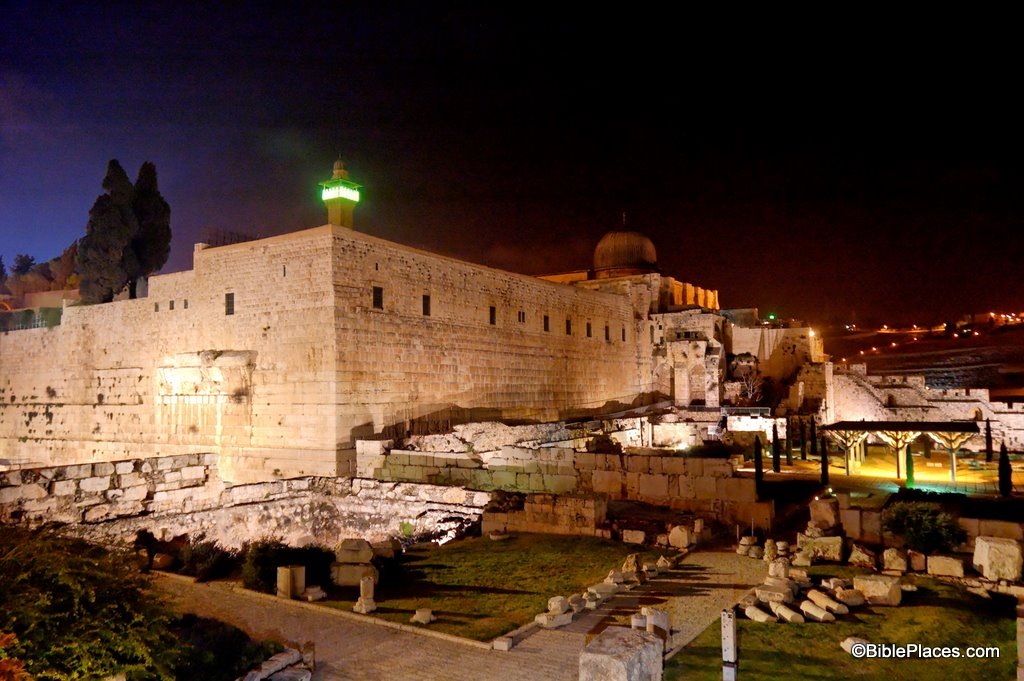
Temple Mount and excavations from southwest
If you’ve already been to Israel and you’re young (at least in spirit), you might consider doing something “extreme” on your next visit. With tourism booming again, there are more and more opportunities for those who don’t know what they’re doing. The New York Times recently had an article on a variety of options for thrill-seekers, including rappelling, zip-lining, hiking, skydiving, mountain biking, and snuba-ing. Who wants to go look at an old pile of rocks with so many other possibilities?
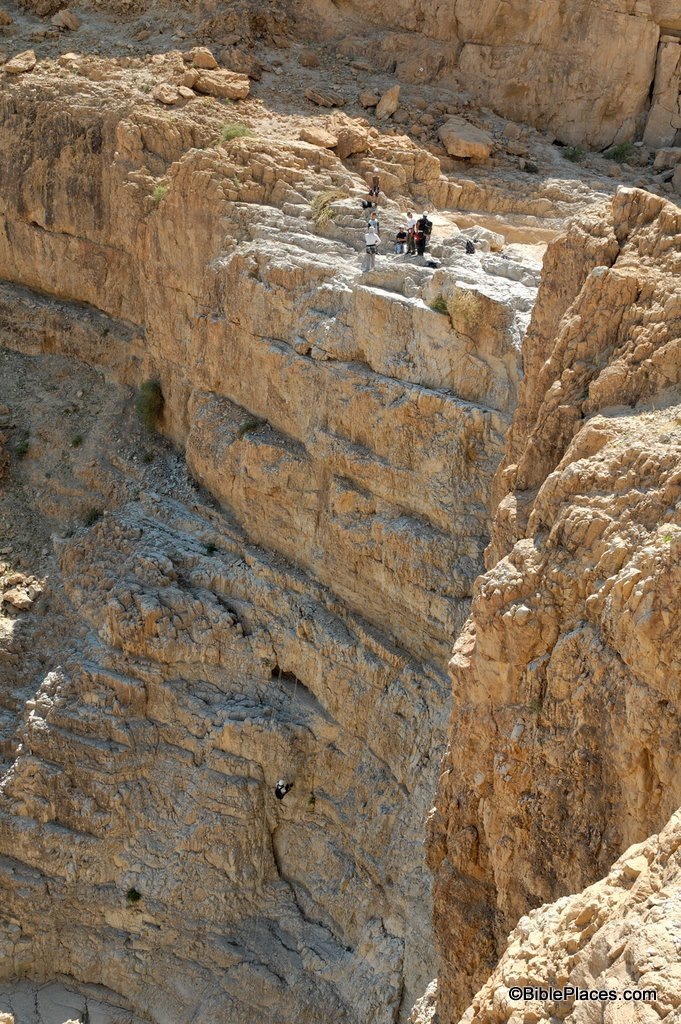
Rappelling near Qumran
After four years of development, I am pleased to announce the latest CD produced by BiblePlaces.com/ LifeintheHolyLand.com.
Views That Have Vanished: The Photographs of David Bivin is a collection of never-before-seen photographs taken in Israel and the surrounding areas in  the 1960s.
The CD is full of unique shots and beautiful views from a land that has changed dramatically in the last four decades.
You can read more about the collection on BiblePlaces.com’s companion site, LifeintheHolyLand.com, and see some “then and now” shots here.
A word about the price. The collection includes more than 700 photographs, yet we are selling the CD for only $20 (through October 31). That includes free shipping in the U.S. The CD is worth much more than this—we guarantee it. For less than 3 cents a photo, you get everything in high-resolution jpg format and PowerPoint files, with notes by David Bivin and me.
Two “Then and Now” presentations were a late addition and a bonus to the collection. The CD is so packed that we had to put one of the “Then and Now” presentations online, because we did not want to leave out anything else (the link to that presentation is on the CD).
We have previously featured photographs from this collection on this blog here and here.