Dismantling of the western ramp to the Temple Mount is discussed in these articles by Haaretz and YNetNews (discussed previously on this blog here and here; cf. also here). The new information is that the ramp will be a bridge, crossing from the Jewish Quarter on the Western Hill. There’s also the possibility that the earthen mound would be removed but the ramp not replaced at all. The old news is that work will begin on this any day.
From a notice received today from the City of David visitor’s center:
Here are some very important updates for all travel agents, tour guides and trip organizers.
City of David Presentation – from 1.01.07, there will be a charge of NIS 5 per person for entry to the new 3-D presentation at the City of David. You can book a presentation together with a visit to the City of David, for preset times (only by making a definite booking, approved by the booking system). Due to the high demand, cancellation fees will be according to the price of the presentation itself (NIS 5), and the cancellation fees will be charged for any cancellation made within one week of the visit.
Set daily guided tours – please note – we offer daily tours accompanied by a guard (registration in advance, available to individuals). There is a set tour in Hebrew, and a set tour in English, starting daily at 10 a.m. (duration of guided tour about 3 hours).
The Shiloah Pool (Pool of Siloam) and Herodian Street – as of 1.01.07, this site (from the Second Temple era) will become a closed site of the Nature and Parks Authority. All visitors to the City of David will, of course, continue to enjoy this impressive site. The ticket to the City of David will continue to include entry to the Shiloah Pool. Visitors who only want to visit the Shiloah Pool will be able to purchase a ticket at the entrance to the pool, at the foot of the City of David, near the Kidron ravine. Entry fee to the Shiloah Pool and Herodian Street will be NIS 6 per person.
The City of David “Segway” – special trips in an up-to-the-minute, ingeniously designed two-wheeled vehicle. The tour lasts about an hour and a half, along the Armon HaNatziv (Commissioner’s Palace) pr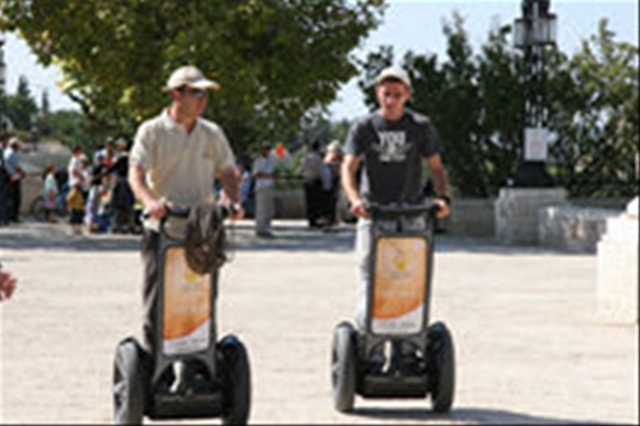 omenades – the eastern Goldman Promenade, the Sherover Promenade, and the Haas Promenade. An impressive and scenic tour, accompanied by an official tour guide, with breathtaking views and an “action” ride in the state-of-the-art vehicle. NIS 150 per person for the trip!
Temporary closure of the Shiloah Tunnel (Hezekiah’s Tunnel) for routine
maintenance – between 14.01.07 and 28.01.07, the Shiloah Tunnel will be closed for two weeks for ongoing maintenance work and restoration of the plaster on the floor of the tunnel.
We will be happy to help you with any clarifications and inquiries –
City of David Booking Center – *6033
At your service
Sincerely
Shahar Shilo
Marketing director, City of David
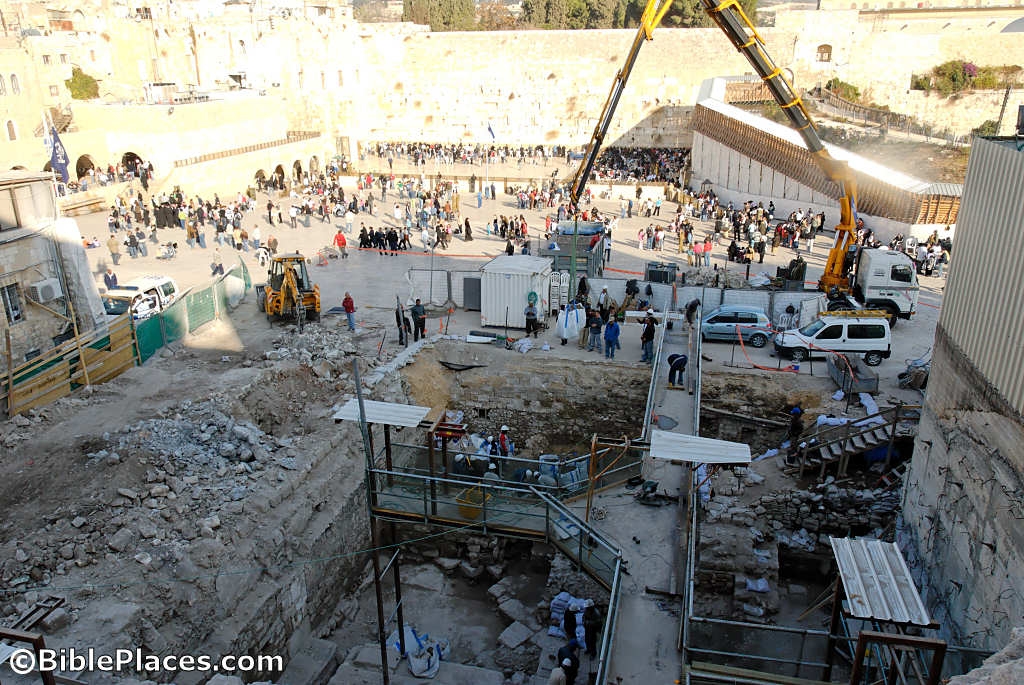
About a week ago, there were reports that excavations at the Western Wall prayer plaza had “uncovered the remains of Jewish homes from the Second Temple period as well as a Herodian water conduit.”
In the photo below, you can see the relation between the excavations and the Western Wall. While we were there, the crane moved the white container (middle) from the area at left, suggesting that excavations will be extended in that direction. In fact, you can see the tractor beginning to break up the ground.
In the close-up below, it looks like large hewn slabs (paving stones?) have been removed in order to excavate beneath them.
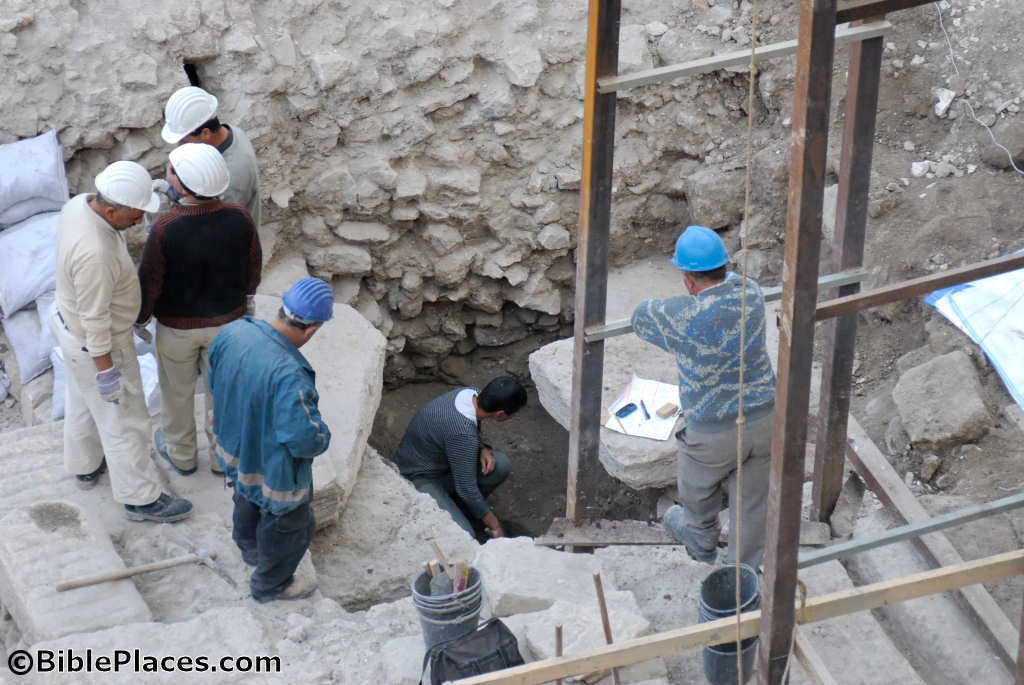
My guess is that those large paving slabs are part of the Byzantine “Valley Cardo,” which has been discovered to the south.
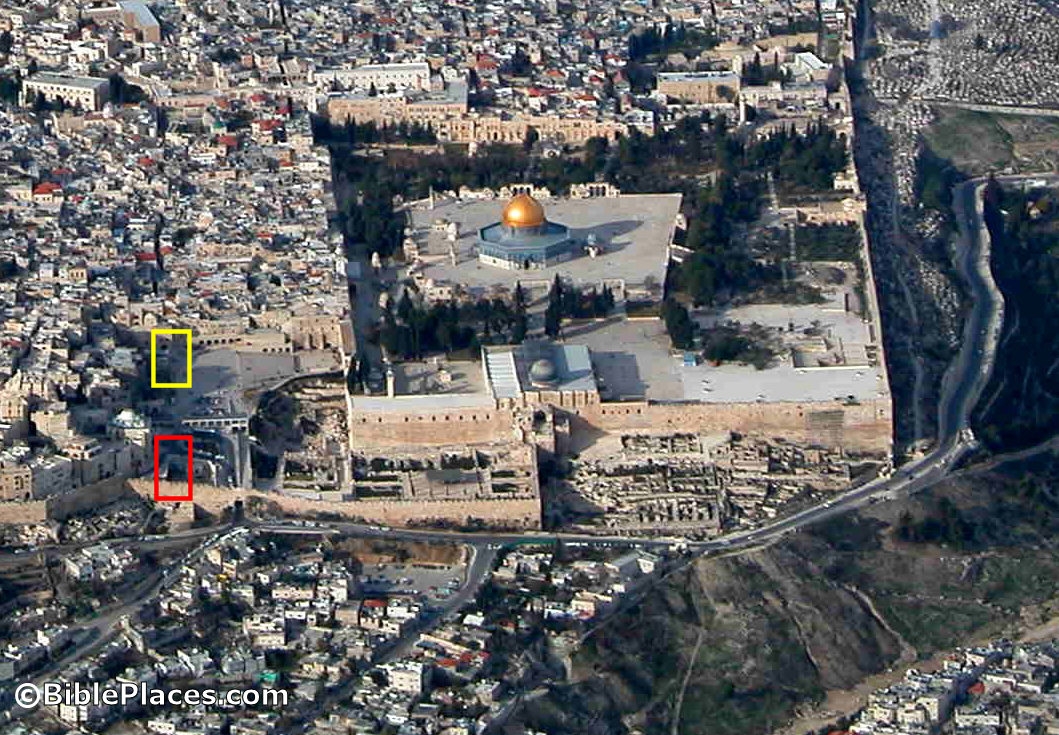
(Yellow box = present excavations; red box = Byzantine Valley Cardo previously revealed)