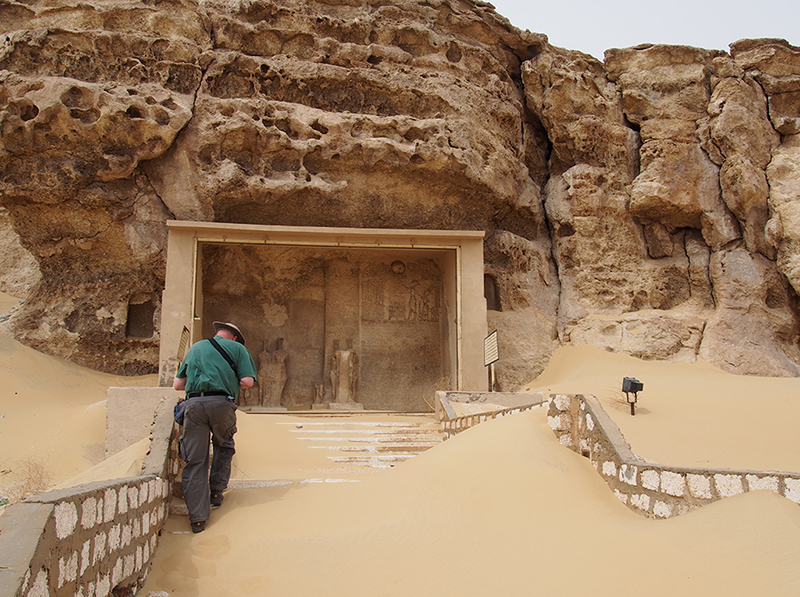
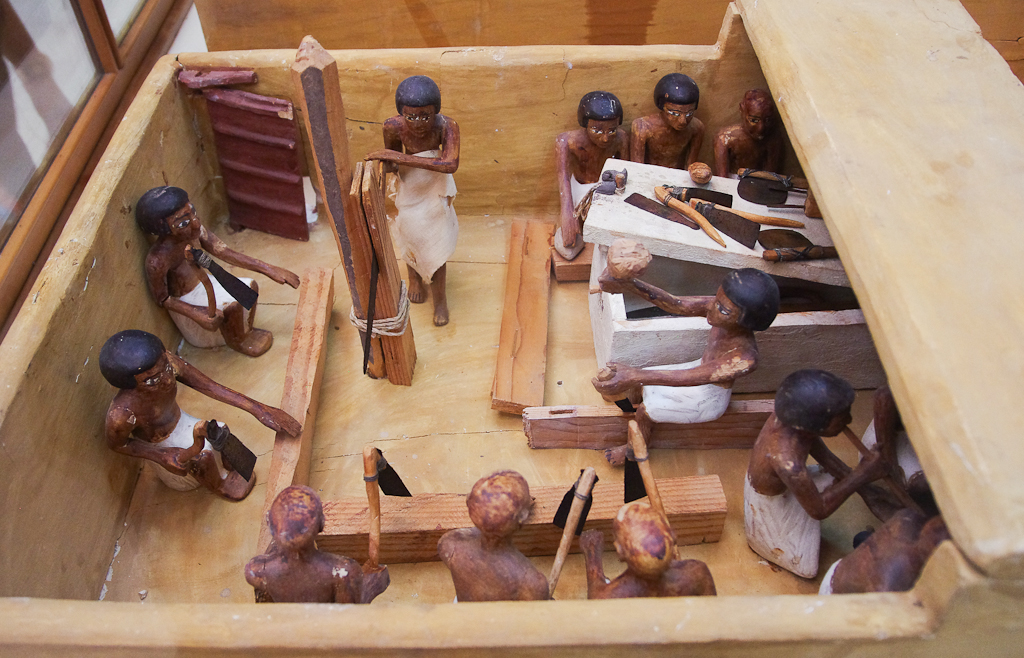
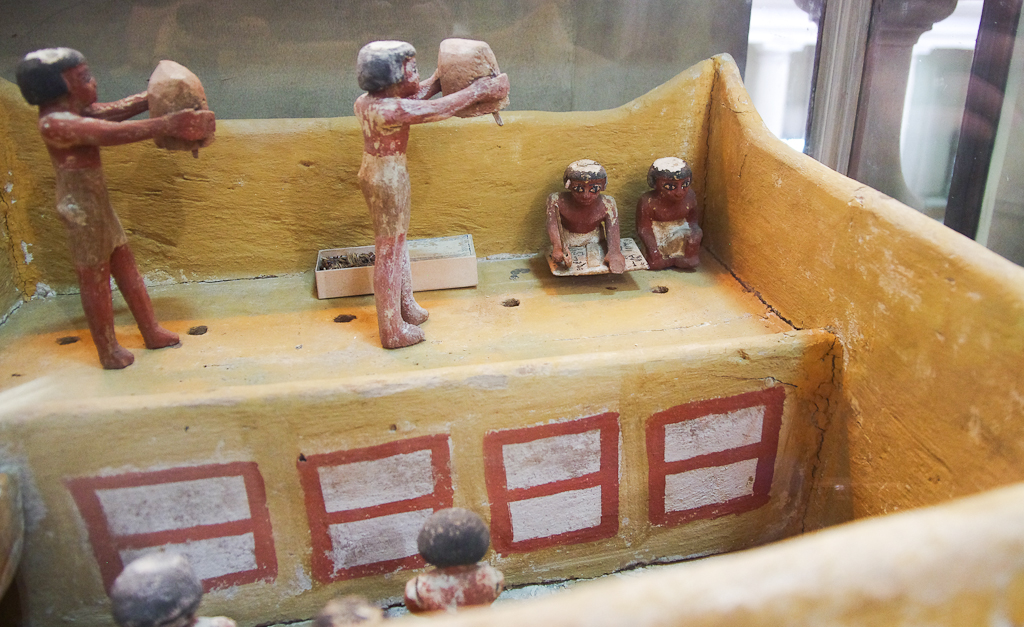
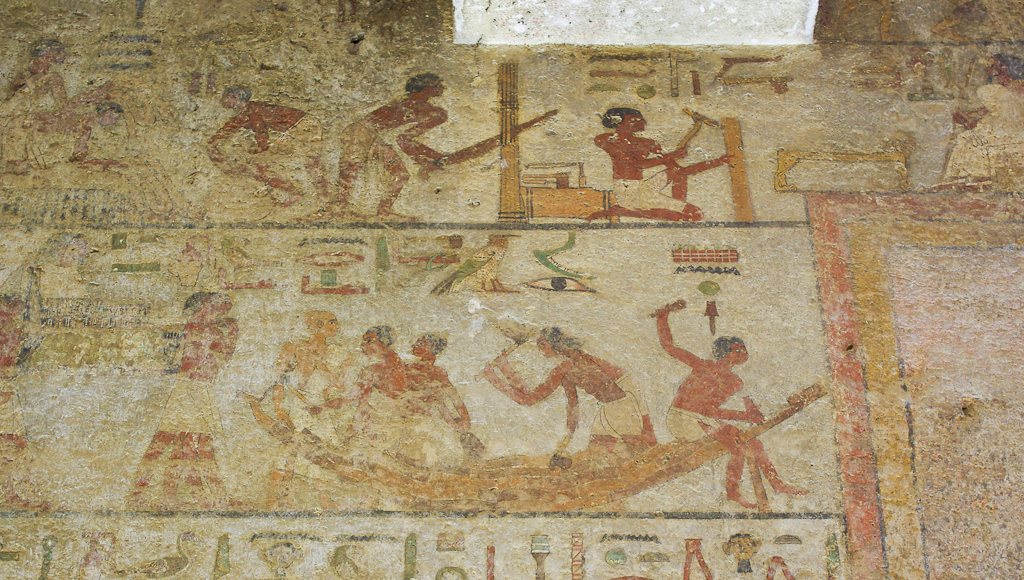
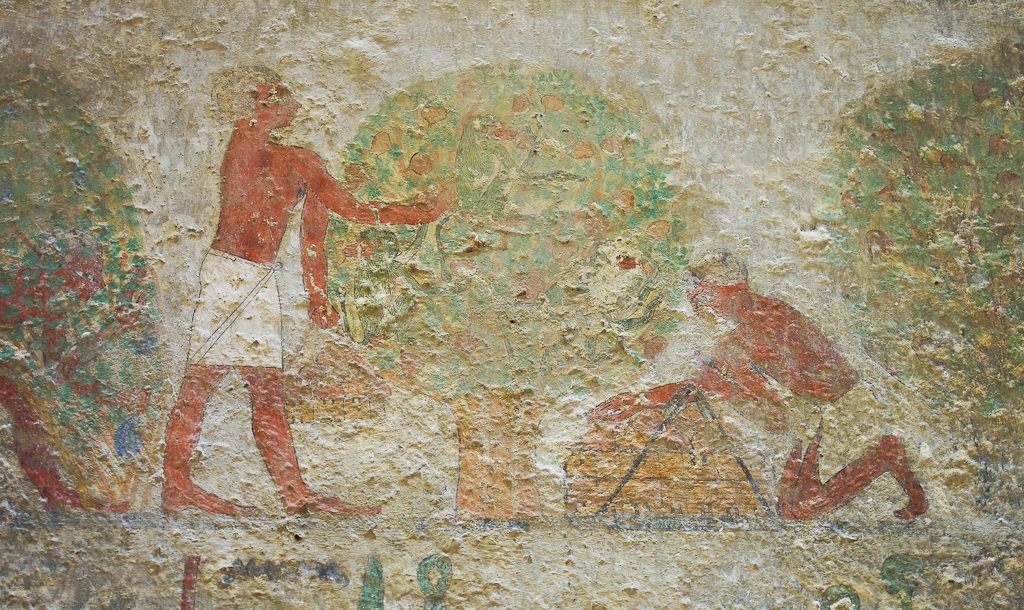
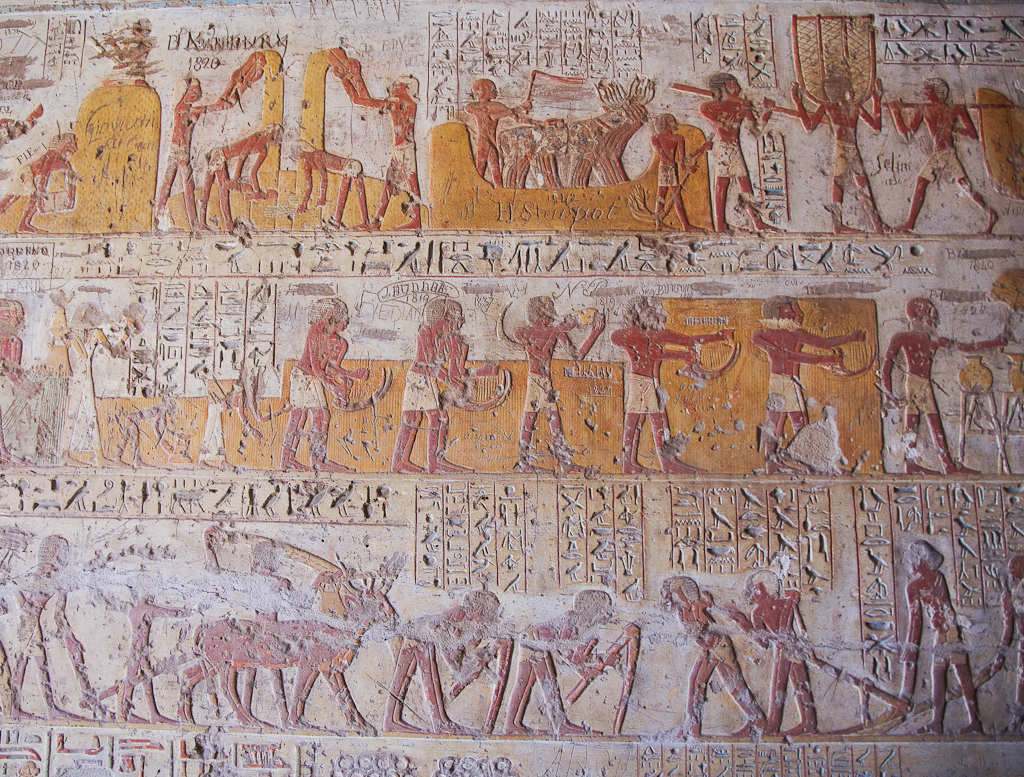
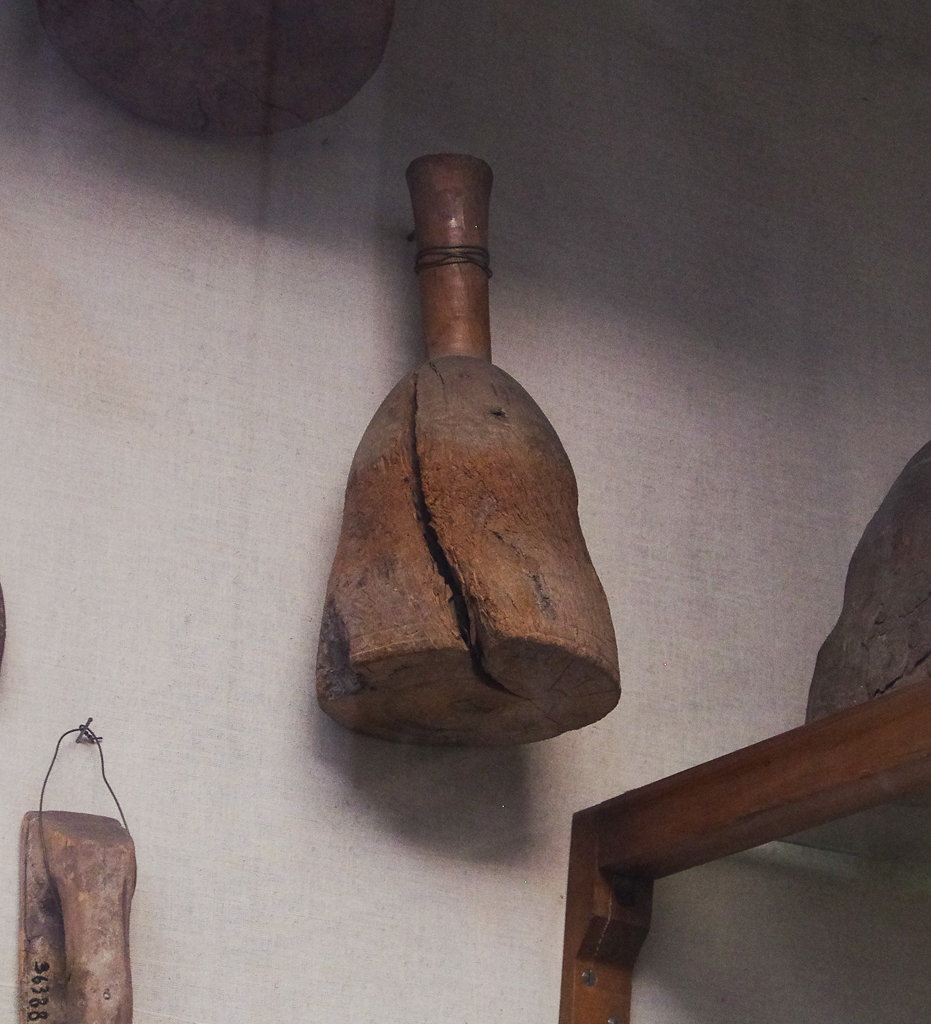
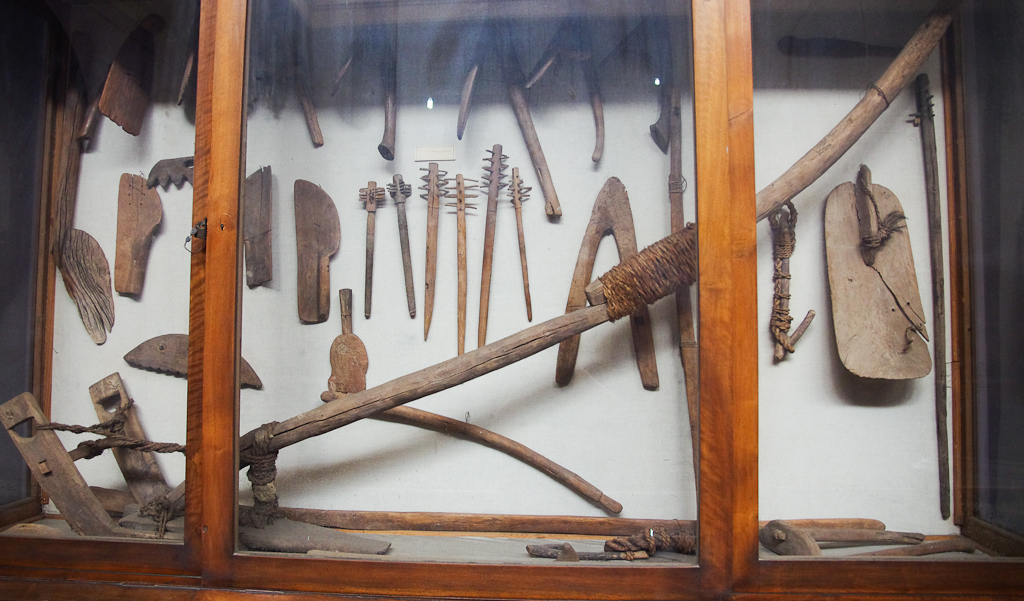
Shmuel Browns reviews the new “Pharaoh in Canaan” exhibit at the Israel Museum and shares many photos.

Carl Rasmussen gives two reasons why he likes to visit Magdala.


Haaretz posts several impressive photos from this year’s celebration of the Samaritan Passover.

Tom Powers visits the Pools of Siloam through photographs of the American Colony. He also suggests (in a comment) that both pools existed from much earlier than the time of Jesus and he proposes distinct purposes for each.

“In an area of Israel that offers fewer attractions to visitors, Tel Arad is like coming upon an oasis of archeology.”

Fifteen years after the excavation of the “Cave of John the Baptist,” Popular Archaeology revisits the site with James Tabor.

Birket Ram is an interesting lake in the Golan Heights. Ferrell Jenkins looks at several historical sources and shares a wide-angle photo.

Leon Mauldin pays tribute to Ferrell Jenkins on his 50th Anniversary Tour.

A slackliner walked from one tower to another in the Tower of David Museum. Video here.

A 23-year-old Israeli hiker fell to his death when climbing in Wadi Rum in Jordan.

An oil deposit has been discovered near the Dead Sea.

The Biblical Museum of Natural History opened in Beit Shemesh in 2014.

It’s time to stop referring to the urban legend about NASA discovering Joshua’s long day.

Emek Shaveh has petitioned Israel’s Supreme Court to halt the transfer of the library and artifacts from the Rockefeller Museum to west Jerusalem. The Israel Antiquities Authority has responded that they’re only moving the library to protect fragile books.

Archaeology of Jordan Online went live this week. They provide a lot of great links (but don’t yet list our photo collection).

The latest edition of The Holy Land Magazine is online and features articles on Magdala, Shiloh, Tiberias, and Neot Kedumim


Revue de Qumrân is finally available on JSTOR.

HT: Joseph Lauer, Agade, Charles Savelle, Paleojudaica

(by Gordon Franz)
There are two special exhibitions in New York City that illustrate the World of the New Testament. The first is at the Onassis Center in the Olympic Tower on 5th Avenue. This exhibit is entitled: “Gods and Mortals at Olympus.” All the objects from this display come from the city of Dion, a Roman colony in the first century AD, at the base of Mount Olympus. The port of Dion was probably where the Apostle Paul embarked on a ship to Athens on his Second Missionary Journey (Acts 17:14). Two highlights of this exhibition are a headless cult statue of Zeus Hypsistos (“Almighty”) and a mosaic of the epiphany of Dionysus, the god of wine and merrymaking. This exhibition is open until June 18, 2016. There are free guided tours on Monday, Wednesday, and Friday at 1 PM. Admission is free.

Click here for more information.

The second special exhibition is at the Metropolitan Museum of Art on 5th Avenue and is entitled “Pergamon and the Hellenistic Kingdoms of the Ancient World.” One-third of the 264 artworks on display come from the Pergamon Museum in Berlin. The church at Pergamon was one of the seven churches in the early chapters or the Book of the Revelation to receive a letter from the Lord Jesus (Rev 2:12-17). Three highlights of this exhibit are the 11-foot wide painting of the acropolis by the 19th century German artist Friedrich von Thiersch; a model of the altar of Zeus that some commentators suggest is “Satan’s throne” (Rev 2:13); and a 13-foot-tall statue of Athena Parthenos, similar to the one in the Parthenon in Athens, but on a much smaller scale. This exhibition closes on July 17, 2016. Admission is free with museum admission. The website says: “If you buy tickets at a museum ticket counter, the amount you pay is up to you . . . . Please be as generous as you can.

Suggested admission is $25 for adults, $17 for seniors, $12 for students, and free for children under 12.” Click here for more information.

Pergamon. Items inspired by the outstanding artistry and technical achievements of ancient Hellenistic culture

The oldest known glass production factory in Israel has been discovered on Mount Carmel. High-res photos are available here.

A new study by Tel Aviv University points to widespread literacy in Israel in 600 BC. Christopher Rollston offers a summary and reflections. An op-ed at the Jerusalem Post is entitled “Holy Shards.”

The academic article is available to subscribers here.

Three Palestinians were arrested attempting to smuggle a statue of Herod’s wife Mariamne. A photo of the statue is here.

The Temple Mount Sifting Project will soon be announcing the discovery of a pendant with the cartouche of Pharaoh Thutmose III.

The Big Picture returns to Palmyra.

Dubai’s plans for the world’s tallest skyscraper are inspired by the hanging gardens of Babylon.

Wayne Stiles goes to Ein Harod to learn how to move from fear to faith.

Yale’s “Old Babylonian Period Mathematical Text” is one of the university’s most-reproduced cultural artifacts.

The Iraqi government is turning Saddam Hussein’s palace in Basra into an archaeological museum.

With Passover around the corner, Haaretz looks at indirect evidence of Israelite presence in Egypt before the exodus.

A Passover sacrifice event will be held on Monday on the Mount of Olives.

Luke Chandler notes that the official website for the Khirbet Qeiyafa excavations has been updated.

The summer excavation of Khirbet el-Maqatir is on and applications are being accepted until April 30.

Ferrell Jenkins and Leon Mauldin are traveling around Israel and sharing photos from their trip.

Filip Vukosavovic has resigned his position as Chief Curator at the Bible Lands Museum Jerusalem.

Now free online: The Bible in Its World: The Bible and Archaeology Today, by Kenneth A. Kitchen.

Many people liked the photo we shared this week on Facebook and Twitter of the Mount of Olives
before the churches were built.

HT: Joseph Lauer, Charles Savelle, Ted Weis, Agade

Archaeologists working at Magdala have discovered a bronze incense shovel and a bronze jug. The press release includes a 1.5-minute video.

Archaeologists believe that they have unearthed a Byzantine church in Gaza. But as quickly as it was discovered, it was destroyed. (This does not serve well those who wish to turn land over to Palestinian control.)

The shrine over the traditional tomb of Jesus will be dismantled and rebuilt in the coming months.

Maybe one of these days they’ll get around to moving the ladder.

Archaeologist Ram Buchnik believes that the Romans influenced ancient Jewish ritual slaughter.

Israel21c has a roundup of recent discoveries made in Israel by hikers, including more details on the discovery of the gold coin.

Shmuel Browns shares some beautiful photos of sinkholes at the Dead Sea.

A New York Times reporter has visited Palmyra and published a photo essay. Note Paleojudaica’s warning before you click the link. Daily Mail has a look inside the Palmyra Museum and it’s not pretty.

What’s new in ancient Cyprus?” is the subject of a forthcoming study day at The British Museum.

A new Cambridge research project, Contexts of and Relations between Early Writing Systems, “is to focus on exploring how writing developed during the 2nd and 1st millennia BCE in the ancient

Mediterranean and Near East, and will investigate how different writing systems and the cultures that used them were related to each other.”

A new DVD presentation by Bryant Wood has been released entitled “The Pharaohs of the Bondage: The Israelite Slavery in Egypt.

Tent Work in Palestine, by Claude R. Conder, is available as a free pdf download at the Biblical Archaeology Blog.

Who was the real life archaeologist behind the character of Indiana Jones?

Egyptian officials are unhappy after finding a star of David engraved on an ancient temple in Aswan.

Luxor Museum will allow photography of its exhibits, for a time, for a fee.

Wayne Stiles explains how Jesus’s healing of the lame man at the Pools of Bethesda shows how God’s kindness motivates repentance.

Eli Ofir has recently launched Holy Land Portraits, a collection of beautiful, high-quality prints of sites in Israel drawn as if in biblical times.

HT: Charles Savelle, Joseph Lauer, Agade, Steven Anderson, Ted Weis

Archaeologists have identified the oldest known quarry in Israel at Kaizer Hill near Modiin.

Some radar experts doubt the existence of hidden chambers in King Tut’s tomb. Another scan was done yesterday, but results will not be announced for at least a week. Luxor Times has photos of the scanning operation.

Mosaics from the Roman Empire, depicting scenes from mythology, daily life, nature, and arena spectacles, are on display at the Getty Museum through September. The exhibit catalog is available for free online.

Joseph Aviram, president of the Israel Exploration Society, recently celebrated his 100th birthday!

A German doctor has returned a rare coin that he found in Jerusalem 25 years ago.

A video of the memorial service and academic symposium for William W. Hallo is online.

Wayne Stiles was robbed last week on the Good Samaritan Road and he learned an expensive lesson.

An article in Haaretz tries to debunk the “biblical” notion that the Philistines were crude barbarians.

But perhaps it’s worth noting that the Bible doesn’t make the Israelites look very good at times (e.g., Judg 19; Jer 5; Ezek 16).

Archaeologists now believe that Tell Qudadi, a site in Tel Aviv, was a Neo-Assyrian fortress built in the late 8th century. The final excavation report has all of the details.

With the recapture of Palmyra, the Syrian antiquities director estimates that 80% of the site’s ruins are intact but damage to the museum is “severe.” The Syrian government is planning to restore the site.

Paleojudaica has more its Palmyra roundup.

Iraq is struggling with the looting of archaeological sites.


The Daily Tar Heel carries a brief interview with archaeologist Jodi Magness.

Heavy rains led to the closing of Petra, but adventurous tourists headed north to Little Petra.

TheIsraelBible.com “offers the 24 books of the Tanakh (Genesis to Malachi) in both English and Hebrew, transliteration of selected Hebrew verses as well as the proper Hebrew pronunciation of key biblical names and places.”

The Temple Institute is searching for priests qualified to perform animal sacrifices.

Tom Powers has an interesting and well-researched post on the visit of the Graf Zeppelin to Jerusalem.

HT: Ted Weis, Agade, Joseph Lauer, Charles Savelle

Six statues of the Egyptian goddess Sekhmet have been discovered at the Temple of Amenhotep near Luxor.

Monumental piers have been discovered in the ongoing excavations of Corinth’s harbor of Lechaion.

The Museum of Lost Objects traces the stories of 10 antiquities or ancient sites that have been destroyed or looted in Iraq and Syria.”

Bradley Schaefer provides an astronomical perspective on Good Friday and Easter on The Book and the Spade radio program.

National Geographic reports on new American and Iraqi excavations of Abraham’s hometown of Ur.

This story about the recently discovered mosaic featuring 16 animals and an inscription from Isaiah 65 includes photos.

New book: The Onomasticon of Iudaea, Palaestina, and Arabia in Greek and Latin Sources Volume I: Introduction, Sources and Major Texts, by Leah Di Segni and Yoram Tsafrir, with Judith Green with 20% the $65 price this month with the promotional code 630-16.

Another new book: The Economy of the Roman World, by Jean Andreau, Corina Kesler, Ellen
Bauerle, and David Potter. Use the code above for 20% off $50 through March 31.

HT: Charles Savelle, Agade, Ted Weis